Stop Guessing. Start Harvesting.
Stop Guessing. Start Harvesting.
This comprehensive B2B guide walks commercial growers through the entire process of container tomato production—from selecting the right containers and growing media to irrigation, fertilization, and pest management. Includes real-world case studies and actionable best practices.
Growing tomatoes in containers is no longer just a backyard hobby; it is a sophisticated commercial strategy that allows agricultural businesses to maximize yield while minimizing land and resource requirements. In this step-by-step guide, we’ll walk you through the entire process of how to grow tomatoes in containers step by step, from selecting the right vessel to implementing advanced nutrient management. Whether you operate a small greenhouse or a large-scale urban farming facility, these proven techniques will help you achieve consistent, high-quality production.
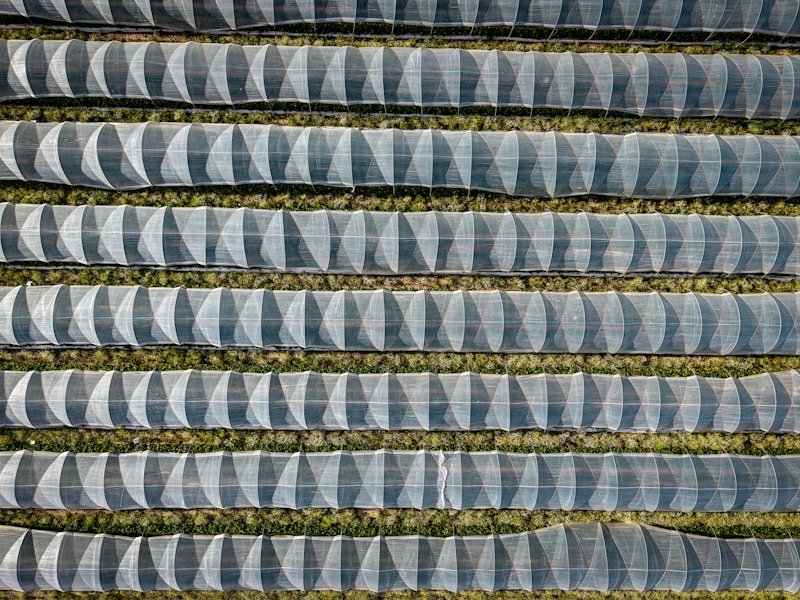
Container-grown tomato cultivation is the practice of producing tomato plants in portable containers rather than in-ground fields. This method is widely adopted in commercial greenhouse operations, rooftop farms, and vertical farming systems. By using containers, growers gain control over soil composition, moisture levels, and nutrient delivery, while also reducing the risk of soil-borne diseases and weeds. Containers also enable efficient space utilization, allowing for higher plant density per square foot compared to traditional field farming. Organic Backyard Homesteading for Beginners: A Complete Commercial Blueprint
Commercial growers increasingly prefer container cultivation for tomatoes due to several key advantages:
To succeed commercially, you need a systematic approach. Here are the five critical steps you must follow to ensure a profitable container tomato crop.
The container is your plant’s permanent home, and its size directly influences root development and yield. For commercial production, we recommend containers with a minimum capacity of 10 gallons (about 38 liters) for indeterminate tomato varieties, and 5 gallons for determinate types. Smaller containers can restrict root growth and lead to water stress, ultimately reducing yield.
Choose food-grade, UV-stabilized plastic or fabric pots that offer good drainage. Fabric pots, like those from Smart Pots, provide excellent aeration and root pruning, preventing root circling and promoting a healthier root system. Ensure each container has at least four drainage holes at the bottom to prevent waterlogging. Sustainable Patio Vegetable Garden: A B2B Guide to Commercial-Grade Urban Agriculture
Commercial tomato production in containers requires a high-quality, soilless growing medium. Commonly used components include peat moss, coconut coir, perlite, vermiculite, and compost. A well-balanced mix should have a pH between 6.0 and 6.8 and provide adequate aeration and water retention.
We recommend a blend of 60% coconut coir, 30% perlite, and 10% compost. This combination offers good drainage, sufficient moisture retention, and a stable structure that doesn’t compact over time. Before planting, thoroughly moisten the medium and consider pre-charging it with a balanced slow-release fertilizer to give young plants an early boost.
When transplanting, bury the stem up to the first true leaves—this encourages the development of additional roots, giving the plant a stronger start. Place the plant in the center of the container and press the growing medium gently around it.
Support is essential. For indeterminate vines, set up sturdy cages or trellises immediately after planting. In a commercial setting, we often use bamboo stakes or vertical strings suspended from overhead wires. These systems keep plants upright, improve air circulation, and simplify harvesting. Depending on the variety, you may need to prune suckers to channel energy into fruit clusters.
Consistent irrigation is critical. Tomatoes in containers dry out faster than in-ground plants, so you need a reliable watering schedule. For commercial scale, consider installing a drip irrigation system with a timer that delivers 1–2 gallons of water per plant per day, adjusted according to the stage of growth and weather conditions. Sustainable Patio Vegetable Garden: A Commercial Guide for Urban Growers
Nutrient management is equally important. Use a water-soluble fertilizer with a ratio of 20-20-20 during vegetative growth, then switch to a high-potassium formula (e.g., 10-20-20) during flowering and fruiting. Fertigate every 2–3 days, and test the electrical conductivity (EC) of the runoff every week to avoid salt buildup. Typical EC levels should range from 2.5 to 4.0 mS/cm.
Tomato plants in containers are still vulnerable to pests like aphids, whiteflies, and spider mites. Implement an integrated pest management (IPM) strategy that includes regular scouting, sticky traps, and the release of beneficial insects like ladybugs and parasitic wasps.
To prevent fungal diseases such as early blight and powdery mildew, maintain good air circulation by spacing containers at least 2 feet apart and pruning the lower foliage. Monitor temperature and humidity; tomatoes thrive best between 65°F and 80°F (18°C–27°C) during the day and slightly cooler at night. If you’re in a region with extreme temperatures, consider using shade cloth or moving containers into a climate-controlled greenhouse.
To illustrate the commercial viability of container-grown tomatoes, let’s look at a real-world example from a mid-sized greenhouse operation in the Central Valley of California. The company switched from in-ground planting to a container-based system in 2022 to address recurring soil-borne diseases and inconsistent yields. The Ultimate Guide to Patio Container Size for Vegetables: Grow a Bountiful Harvest in Small Spaces
Operation Overview: 5,000 square feet of greenhouse space, housing 6,000 tomato plants (indeterminate variety) in 10-gallon fabric pots. The system uses a drip irrigation line that delivers water and fertilizer directly to each container, with a computer-controlled fertigation schedule.
This case study demonstrates that with the right techniques, container tomato production can outperform traditional methods in both yield and profitability.
| Container Size (Gallons) | Suitable Tomato Type | Expected Yield per Plant | Cost Range per Unit | Best Application |
|---|---|---|---|---|
| 1 gallon | Dwarf / Micro | 2–4 lbs | $0.50–$1.00 | Rooftop gardens, culinary herb-tomato combo |
| 3 gallon | Determinate (Bush) | 6–10 lbs | $1.00–$2.50 | Patio/compact operations, early-season markets |
| 5 gallon | Determinate / Semi-determinate | 10–15 lbs | $2.00–$4.00 | Small-scale commercial greenhouses |
| 10 gallon | Indeterminate (Vining) | 18–25 lbs | $3.50–$6.00 | Large-scale commercial production, year-round tunnels |
Commercial growers must weigh various factors when selecting containers. The table below provides a comparison of common container sizes and their impact on production.
Still have questions? We’ve answered some of the most common queries from commercial growers below. Small Porch Vegetable Gardening: Grow Fresh Food in Tiny Spaces