Stop Guessing. Start Harvesting.
Stop Guessing. Start Harvesting.
Learn how commercial enterprises can implement sustainable patio vegetable gardens to reduce costs, enhance green credentials, and produce fresh produce year-round.
In today’s competitive market, businesses are increasingly turning to a sustainable patio vegetable garden not just as a green initiative, but as a strategic investment. Whether you operate a restaurant, hotel, corporate campus, or retail space, integrating a self-contained growing system on your patio can slash produce procurement costs, bolster your brand’s eco-image, and provide a tangible demonstration of sustainability. This guide walks you through the commercial implementation of a sustainable patio vegetable garden, from system selection to ROI analysis.
A well-designed patio garden uses organic methods, water-saving irrigation, and renewable inputs to yield fresh vegetables year-round. For B2B buyers, the key is scalability, low maintenance, and measurable returns. This article answers your core questions: What systems work best? How to maximize yield? What are the true costs and benefits?
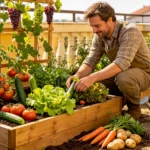
A sustainable patio vegetable garden is a compact, eco-friendly growing system designed for limited outdoor spaces such as balconies, roof terraces, and patios. It integrates organic soil management, water conservation (e.g., drip irrigation, rainwater harvesting), renewable energy (solar pumps), and often uses recycled or upcycled containers. The goal is to produce fresh vegetables with minimal environmental footprint while reducing reliance on external supply chains. For commercial entities, it serves as both a production unit and a living marketing tool.
Measure your patio area and map sun exposure throughout the day. Most vegetables require 6–8 hours of direct sunlight. Use a light meter or app to quantify. For shaded areas, select leafy greens like lettuce or spinach.
Choose food-safe, durable containers (e.g., cedar raised beds, recycled plastic pots, or fabric grow bags). Fill with a high-quality organic potting mix blended with compost. Avoid garden soil to prevent compaction and pests.
Implement drip irrigation paired with a rainwater collection system or a timer-controlled hose bib. This reduces water waste by up to 70% compared to hand watering. Add a soaker hose for root zones.
Use companion planting (e.g., basil with tomatoes) and natural predators (ladybugs for aphids). Apply neem oil or insecticidal soap sparingly. Avoid synthetic pesticides to maintain organic certification potential.
Rotate plant families to prevent soil depletion. Use row covers or mini hoop houses to extend the growing season into early spring and late fall. This ensures continuous supply for commercial needs.
Sustainable Patio Vegetable Garden: A Commercial Guide for Urban Growers
| System Type | Initial Cost (per 100 sq ft) | Annual Yield (lbs) | Maintenance Hours/Week | Sustainability Score |
|---|---|---|---|---|
| Raised Bed | $1,200–$2,500 | 300–500 | 3–4 | 9/10 |
| Vertical Tower (Aeroponic) | $3,000–$5,000 | 400–600 | 2–3 | 8/10 |
| Hydroponic (NFT) | $4,000–$6,500 | 500–700 | 3–5 | 7/10 |
Consider the case of a mid-sized hotel chain that installed sustainable patio vegetable gardens on the rooftops of three properties. Each garden comprised 20 raised beds (4×4 feet) with drip irrigation and compost bins. The initial investment was $12,000 per property, including installation and first-year supplies. Within 18 months, the gardens produced 2,500 pounds of vegetables annually per property, replacing 30% of the organic produce typically purchased. The hotel saved $8,000 per year in vegetable procurement, and guest satisfaction scores related to “fresh food” rose by 15%. The gardens also became a highlight for eco-conscious corporate events, generating additional revenue of $5,000 per property annually through garden-to-table dinners.
Another example: a tech company’s campus installed vertical tower gardens on a 200-sq-ft patio. Using aeroponic technology, they grew lettuce, herbs, and cherry tomatoes. The system cost $7,000 initially, with annual operating costs of $1,200 for nutrients and electricity. The yield of 500 pounds per year offset their cafeteria’s salad greens, yielding a payback period of just 2.5 years. These real-world scenarios demonstrate that with proper planning, a sustainable patio vegetable garden can be a profitable, sustainable asset.
Urban Permaculture: Applying Large Farm Principles to a Small Yard
Urban Permaculture: Applying Large Farm Principles to a Small Yard
Today’s sustainable patio vegetable gardens can be enhanced with smart technology to reduce labor, optimize resource use, and improve yields. Soil moisture sensors, weather-based irrigation controllers, and mobile monitoring apps allow commercial operators to track growing conditions in real-time. For example, pairing a drip system with a soil moisture sensor can prevent overwatering and cut water consumption further. Some advanced vertical systems include built-in LED grow lights for low-light conditions, enabling year-round production even in shaded patios. This technology also provides data for reporting sustainability metrics, which is valuable for corporate ESG disclosures.
A sustainable patio vegetable garden is not only a production asset but also a tangible contributor to environmental certifications. Under the LEED framework, an on-site garden can earn points in categories such as Sustainable Sites, Water Efficiency, and Innovation in Design. For businesses seeking organic certification, using organic inputs, compost, and integrated pest management (IPM) strategies aligns with National Organic Program standards. Additionally, having a visible garden supports corporate sustainability reports by reducing Scope 3 supply chain emissions and minimizing packaging waste. Even without formal certification, documenting these practices strengthens your brand’s green credentials.
| Growing Season | Recommended Vegetables | Spacing (per plant) | Days to Harvest | Notes |
|---|---|---|---|---|
| Cool Season | Lettuce, Spinach, Kale, Radishes | 6-8 inches | 30-60 | Best started 6-8 weeks before last frost; use cold frames for extension |
| Warm Season | Tomatoes, Peppers, Eggplant | 18-24 inches | 65-90 | Require full sun and consistent moisture; use stakes or cages |
| Warm Season | Cucumbers, Zucchini, Green Beans | 12-18 inches | 50-70 | Vertical trellising maximizes space and airflow |
| Transitional | Herbs (Basil, Cilantro, Parsley) | 4-6 inches | 30-50 | Overwinter in containers or bring indoors; harvest regularly to promote growth |
| Cool Season (Fall/Winter) | Swiss Chard, Beets, Broccoli | 8-12 inches | 50-70 | Use row covers to extend harvest into frost; select cold-hardy varieties |
According to the USDA, food waste represents 30–40% of the U.S. food supply, underscoring the financial and environmental value of on-site patio gardens for commercial operations. Furthermore, a growing number of corporate sustainability reports now include on-site food production metrics, and businesses leveraging these systems often report enhanced customer trust and community engagement.