
Stop Guessing. Start Harvesting.
Stop Guessing. Start Harvesting.
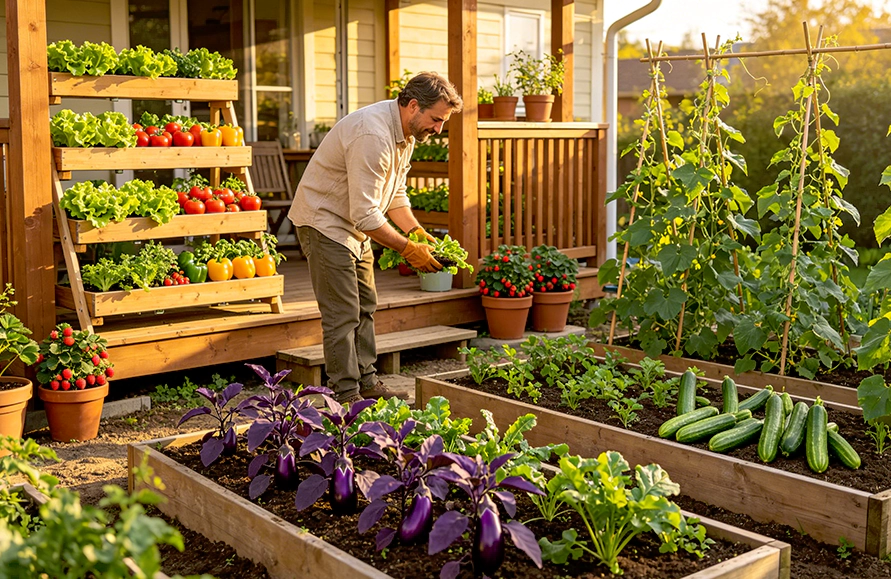
There is nothing more heart-breaking than walking out to your balcony garden only to find your beautiful leafy greens covered in aphids or your tomato plants suffocating under delicate, dusty spider mite webs.
When growing food in small, enclosed spaces like apartments, patios, or windowsills, pests can multiply at an alarming rate. However, spraying harsh chemical pesticides right next to your living space—on food you intend to feed your family—is out of the question.
Don’t let aphids and spider mites ruin your hard work! In this comprehensive guide, we will teach you how to identify the most common urban garden pests and make 100% organic, kitchen-safe pest sprays at home that protect your plants while keeping your harvest completely clean, chemical-free, and delicious.
Different pests require different organic countermeasures. Before mixing your sprays, use this quick guide to diagnose your balcony garden’s enemies and find the right kitchen-safe solution:
| Target Pest | Key Identification Signs | Best Natural Remedy | Safe for Leafy Greens? |
| Aphids | Clusters of tiny green, black, or yellow bugs on soft new stems and under leaves | DIY Castile Soap Spray | Yes (Wash before eating) |
| Spider Mites | Ultra-fine webbing on leaf joints; yellow stippling/dots on leaves | Neem Oil & Soap Emulsion | Yes |
| Fungus Gnats | Tiny black flies buzzing around damp soil; slow plant growth | Drying out soil + Neem drench | Yes |
| Caterpillars | Large, irregular holes chewed out of lettuce or kale leaves | Hand-picking + Bacillus thuringiensis (Bt) | Yes |
Aphids, whiteflies, and mealybugs are incredibly destructive, but they have a fatal weakness: they breathe through their soft outer skin (cuticles). A simple soap solution is enough to disrupt their cell membranes and safely eliminate them without toxic chemicals.
Spider mites thrive in dry, stagnant balcony environments. If you see tiny dots on your chili or tomato leaves accompanied by fine webs, you need something stronger than plain soap. Cold-pressed neem oil contains azadirachtin, a natural compound that disrupts the hormonal systems of pests, stopping them from feeding and reproducing.
If you want to prevent pests from landing on your salad bar in the first place, turn your balcony into a zone that bugs absolutely despise. Garlic and spicy chilis contain natural sulfur compounds and capsaicin that act as highly effective, natural sensory deterrents.
Even though these recipes are 100% kitchen-safe and organic, improper application can stress your container plants. Always follow these professional guidelines:
Pest control on a modern balcony doesn’t require a hazmat suit or synthetic chemicals. By utilizing simple, natural kitchen staples like pure castile soap, organic neem oil, garlic, and hot chilis, you can easily outsmart nature’s smallest thieves.
Best of all, you gain the ultimate peace of mind knowing that the crisp lettuces and juicy snacking tomatoes harvested from your patio pots are 100% safe, clean, and healthy for your family to enjoy straight from the vine.
A: It is highly recommended to avoid industrial dish soaps or laundry detergents. Most modern dish soaps are actually chemical degreasers rather than true soap, and they contain harsh synthetic surfactants that can strip away the protective waxy coating of your plant’s leaves, causing them to dry out and wither. Stick to pure, organic liquid Castile soap.
A: Direct contact with neem oil or soap can impact beneficial insects, which is why you should only spray early in the morning or late at night when bees and ladybugs are not active. Once the sprays have dried on the leaves, they are completely safe for non-chewing, beneficial pollinators.
A: No, those are fungus gnats, and their larvae live inside the soil, not on the leaves. They crawl out because the potting mix is constantly waterlogged. To eliminate them, let the top 2 inches of your soil dry out completely between waterings. You can also drench the soil with a diluted neem oil solution to target the larvae safely.
A: Yes, absolutely. While the garlic-chili infusion is completely non-toxic, it leaves a very strong flavor behind. Always rinse your salad greens and herbs thoroughly under cold running water before serving, unless you want your fresh strawberries or mint tea to taste like garlic!
🐛 Tired of bugs destroying your hard-earned balcony harvest? Don’t guess the dosages and ruin your plants! Enrolling in our $29.9 Complete Container Gardening Masterclass grants you instant access to step-by-step video tutorials hosted on Bunny.net. Watch over a professional coach’s shoulder as we mix, test, and safely apply organic pest solutions in real-time. Secure your harvest and start growing stress-free today!