
Stop Guessing. Start Harvesting.
Stop Guessing. Start Harvesting.
原价为:$59.90。$29.90当前价格为:$29.90。
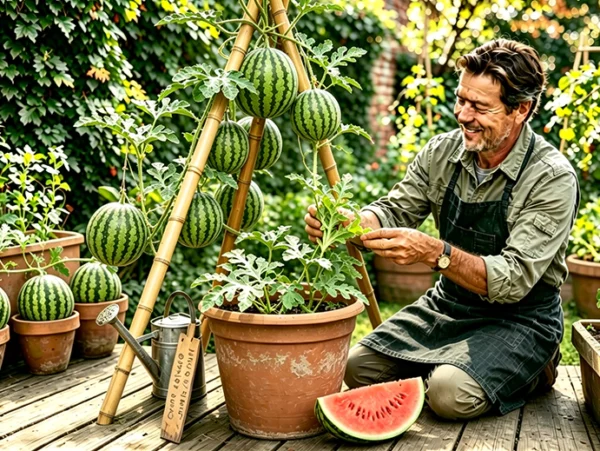
Dreaming of slicing open a heavy, sugar-sweet organic watermelon grown right on your own patio or balcony? The Container Gardening Masterclass is your ultimate video blueprint to cultivating massive, juicy fruit in the smallest spaces! Forget the myth that watermelons require giant farms.
Through step-by-step, highly visual video tutorials, you’ll master the art of vertical container setups that save space, the sturdy fruit hammock trick to support heavy melons, and the crucial late-season watering adjustment that dramatically boosts the sugar content of your fruit.
Say goodbye to dropped blossoms, split rinds, and wasted growing seasons. You’ll also unlock downloadable PDF troubleshooting charts and micro-climate planting calendars for zero-guesswork success.
Stop guessing and risking your plants. [Get Instant Video Access Now for Just $29.90] and start harvesting crisp, sweet organic watermelons right outside your window today!
There is nothing quite like the pride of slicing open a heavy, ice-cold, sugar-sweet watermelon that you cultivated with your own two hands. For generations, watermelons have been considered a luxury reserved only for rural farmers with acres of sprawling land. However, thanks to modern vertical gardening techniques and specialized compact varieties, learning how to grow organic watermelons in pots and small yards has become the ultimate rewarding project for urban growers.
Watermelon vines love heat, sunshine, and deep nutrition. When provided with a strategic vertical support setup and correct water management, you can easily grow giant, juicy fruit right on your patio or balcony.
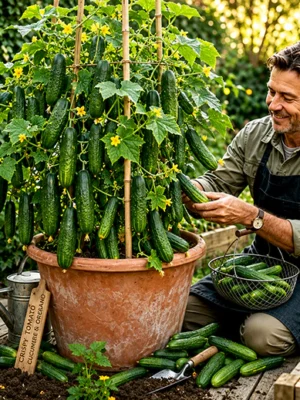
The absolute secret to mastering how to grow watermelon in a small space is changing your direction from horizontal to vertical. Instead of letting watermelon vines crawl across the ground—where they can easily consume 100 square feet of yard space—you train them up a heavy-duty trellis, an A-frame structure, or a sturdy patio railing. This saves precious ground space, maximizes sunlight exposure, and keeps your developing fruit completely off the damp soil, drastically reducing the risk of rot and pests.
Watermelons are heavy drinkers and massive feeders, meaning they require a significant amount of root space. Never try to grow a watermelon in a standard flower pot. For a successful harvest, choose a heavy-duty container that holds at least 15 to 20 gallons (such as a large fabric grow bag or a half-wine barrel) per single vine. Ensure the container has multiple unobstructed drainage holes at the bottom to prevent stagnant water.
When growing watermelon in containers vertically, your main engineering challenge is gravity. Once a watermelon grows larger than a tennis ball, its weight can snap the vine. To prevent this, urban gardeners use “fruit hammocks.” You can easily create a hammock using scraps of stretchy old t-shirts, pantyhose, or soft mesh netting. Simply tie the hammock securely to your main trellis frame, cradling the heavy watermelon underneath to support its weight as it swells.
📊 Vertical Containers vs. Traditional Backyard Watermelon Beds
| Growth Factor | Growing Watermelons in Pots Vertically | Traditional In-Ground Garden Beds | The Small-Space Architecture |
| Space Footprint | Minimal. Requires less than 4 square feet of floor space. | Massive. Requires 50–100 square feet of open ground. | Perfect for balconies, decks, and compact patios. |
| Soil Temperature | Warms up rapidly. Accelerates spring vine growth. | Warms up slowly; dependent on seasonal ground climate. | Speeds up fruit maturation in northern climates. |
| Fruit Presentation | Pristine. Clean, perfectly shaped fruit hanging in mid-air. | Prone to yellow field spots, rot, and ground moisture damage. | Eliminates soil rot and produces beautifully symmetrical melons. |
| Pest Access | Highly secure. Keeps fruit away from slugs and crawling bugs. | Vulnerable to subterranean pests, rodents, and burrowing insects. | Keeps the ripening harvest safe and clean without chemicals. |
While watermelons are fundamentally outdoor sun-worshipers, you can successfully start growing watermelon in pots indoors early in the spring or keep dwarf varieties inside if you have the right setup. To do this, you must place your container under a high-intensity, full-spectrum LED grow light for 14 to 16 hours a day. Additionally, because indoor spaces lack natural wind and insects, you must act as the pollinator. Take a small artist’s paintbrush, gently collect yellow pollen from the center of a male flower, and dab it directly into the center of the female flowers (identifiable by the miniature green watermelon at the base of the blossom).
It is incredibly discouraging to water your plants all summer long only to watch the yellow blossoms drop off, the vines wilt from hidden root issues, or your fruits stay tiny and sour. Digging through overwhelming agricultural guides takes hours, and generic advice can easily ruin your entire harvest.
You don’t have to waste an entire summer on trial and error.
The Fruit Hammock Blueprint: How to safely support heavy, giant melons on a basic vertical patio trellis.
The Sugar-Booster Secret: The exact watering and feeding routine to apply right before harvest to skyrocket the sugar content of your melons.
The 5-Second Hand-Pollination Trick: How to guarantee every female flower transforms into a harvestable melon, even on a high-rise balcony.
🎁 LIMITED-TIME BONUS INCLUDED: Downloadable Pest Diagnostic Guide & 12-Month Micro-Climate Urban Planting Calendars (PDF).
👉 [Get Instant Access to The Container Gardening Masterclass Now for Just $29.90]
Regular Price $59 | 30-Day Money-Back Guarantee | No Farm Required
On average, standard watermelons take 80 to 100 days from seed germination to reach full, sugary maturity. If you are growing in a limited space or a shorter northern climate, always choose small-fruiting “icebox” varieties such as Sugar Baby, Crimson Sweet, or Bush Sugar Baby. These varieties produce manageable 6-to-10-pound fruits that ripen much faster than giant commercial field varieties.
Never guess by thumping the melon, as that can be unreliable for beginners. Instead, look for three unmistakable biological signs:
The Tendril Check: Look at the tiny, curly green tendril on the vine closest to where the watermelon connects. When that tendril turns completely brown and dry like paper, the melon is ripe.
The Ground Spot: If the melon is resting on a surface, the spot where it touches should turn from white to a creamy, buttery yellow.
The Skin Texture: The glossy sheen of the rind will dull slightly, and the skin will become tough enough to resist being scratched by a fingernail.
This is almost always caused by a lack of pollination. If a honeybee does not visit the female flower to deposit pollen from a male flower within a critical 24-hour window of opening, the miniature fruit will stop growing, turn yellow, and drop off. You can easily fix this by hand-pollinating your blossoms early in the morning using a small cotton swab.
Watermelons require a vast, consistent amount of moisture while the vine is growing and building fruit. Keep the soil evenly damp like a wrung-out sponge, watering thoroughly whenever the top inch of soil feels dry. Crucial Tip: One week before you plan to harvest your ripe melon, cut your watering back significantly. Restricting water at the very end forces the plant to concentrate its natural sugars inside the flesh rather than diluting it with water, ensuring a spectacularly sweet crunch!
Don’t let a small balcony or a tight backyard space stop you from growing the most iconic fruit of summer. By choosing a deep container, setting up a strong vertical trellis support, and managing your pollination and watering routines correctly, you can experience the unmatched joy of harvesting your own organic watermelons.
[Get Instant Access to The Container Gardening Masterclass] today. Secure your complete video training modules alongside our quick-reference PDF guides, and discover how simple it is to turn your patio into a high-yield organic oasis!




评价
目前还没有评价