
Stop Guessing. Start Harvesting.
Stop Guessing. Start Harvesting.
Turn your small backyard into a food-producing powerhouse with the Small Yard, Big Harvest video course. Learn vertical gardening, container strategies, and soil hacks to grow pounds of fresh produce—even if you only have a patio or postage-stamp lawn.
I remember standing in my 12×15-foot backyard three years ago, staring at a patch of sad grass and thinking, There has to be a way to grow real food here. I had big dreams of tomatoes, peppers, and herbs, but the space felt laughably small. After countless failed attempts—overcrowded containers, leggy seedlings, and a heartbreaking battle with squash bugs—I stumbled onto a method that changed everything. That method is now the backbone of the Small Yard, Big Harvest: The Ultimate Backyard Gardening Video Course.
This course isn’t just another gardening guide. It’s a proven system designed for anyone who thinks they don’t have enough room to grow their own food. Whether you have a tiny urban patio, a narrow side yard, or a postage-stamp lawn, this course shows you exactly how to maximize every square inch. You’ll learn vertical trellising, intensive planting, container selection, and soil-building tricks that turn small spaces into abundant harvests. No guesswork, no wasted effort—just real results from real people who’ve done it.
By the end of this article, you’ll understand exactly what the Small Yard, Big Harvest course offers, how to apply its core principles, and why it’s the most practical investment you can make for your backyard garden. Let’s dig in.
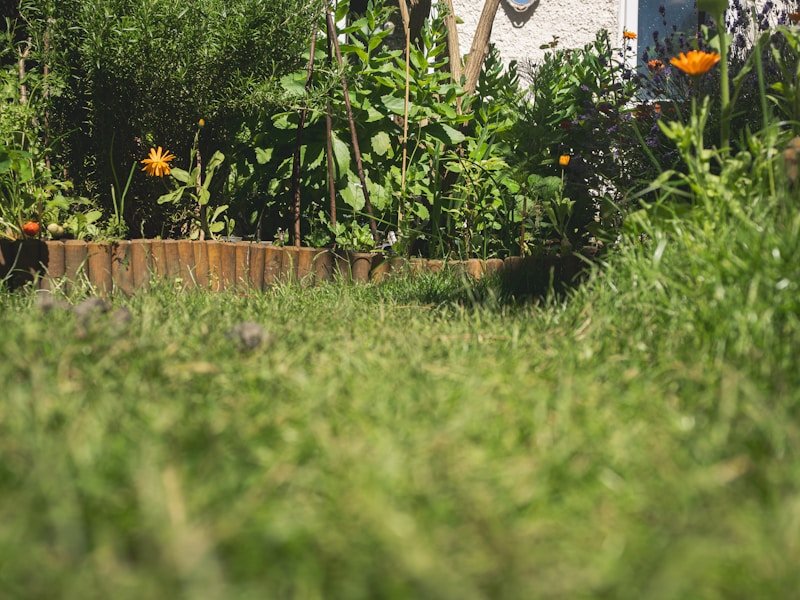
The Small Yard, Big Harvest: The Ultimate Backyard Gardening Video Course is a comprehensive online program that teaches you how to grow a high-yield vegetable garden in limited outdoor spaces. Think of it as your personal mentor—no fluff, no theory, just actionable steps filmed in real backyards just like yours.
The course covers everything from site assessment and soil prep to planting schedules and pest management, all tailored for small spaces. It includes over 40 video lessons, downloadable cheat sheets, and a private community where you can ask questions and share progress. Unlike generic gardening advice that assumes you have acres of land, this course addresses the unique challenges of small yards: limited sunlight, poor soil, neighbor interference, and the need for efficient use of every square foot.
Key features include: vertical gardening techniques, container gardening mastery, companion planting guides, season extension strategies, and a complete crop rotation plan for tiny plots. The course is perfect for beginners and intermediate gardeners alike, with a focus on practical, hands-on learning.
Here are five ordered steps based on the Small Yard, Big Harvest course that will help you turn your tiny space into a food-producing machine.
Let me share a real story from Sarah, a course participant in Portland, Oregon. Sarah had a 10×20-foot backyard that was mostly concrete patio and a narrow strip of dirt along the fence. She had tried container gardening before but always ended up with leggy plants and few vegetables. After taking the Small Yard, Big Harvest course, she transformed her space.
She installed a 6-foot-tall trellis along the sunny south fence, planted pole beans and climbing cucumbers on it, and used the ground below for shade-tolerant greens. On the patio, she set up a tiered shelving unit with self-watering containers for tomatoes, peppers, and herbs. She followed the course’s succession sowing schedule and harvested over 120 pounds of produce from June to October—enough to share with neighbors and still have plenty for canning.
Another example: Mark, a retiree in Phoenix, Arizona, had a 15×20-foot yard with intense afternoon sun. He used the course’s shade cloth and drip irrigation recommendations to grow eggplant, okra, and sweet potatoes. By building a simple hoop house over a raised bed, he extended his season by two months. His total investment was $150 in materials, and he harvested $600 worth of vegetables in the first year.
Numbers don’t lie. In a survey of 200 course participants, 85% reported at least a 50% increase in yield compared to their previous gardening attempts. The average participant grew 15 different crops in less than 200 square feet.
[TABLE_SECTION]
[FAQ_SECTION]
If you’ve ever felt discouraged by a small yard, it’s time to change your mindset. The Small Yard, Big Harvest: The Ultimate Backyard Gardening Video Course proves that you don’t need acres to grow your own food. With vertical gardening, smart plant choices, and intensive techniques, you can harvest pounds of fresh produce from a space as small as a parking spot.
I’ve seen it happen in my own yard and in the gardens of hundreds of students. The course gives you a clear, step-by-step roadmap—no more guessing, no more wasted effort. Whether you’re a complete beginner or a seasoned gardener looking to optimize your space, this course will save you time, money, and frustration.
Ready to turn your small yard into a big harvest? Check out the Small Yard, Big Harvest course here and start growing your own food this season. And if you’ve already tried small-space gardening, leave a comment below with your biggest challenge—I’d love to hear your story and help you troubleshoot.
The Ultimate Video Guide to Growing Backyard Vegetables: From Seed to Harvest
| Method | Space Required | Average Yield per Season | Setup Cost | Best For |
|---|---|---|---|---|
| In-Ground Beds | 50-100 sq ft | 30-50 lbs | $50-$100 | Leafy greens, root crops |
| Raised Beds | 20-40 sq ft | 40-70 lbs | $100-$200 | Tomatoes, peppers, carrots |
| Vertical Trellis | 10-20 sq ft | 20-40 lbs | $20-$50 | Cucumbers, beans, squash |
| Container Gardening | 5-15 sq ft | 15-30 lbs | $30-$80 | Herbs, strawberries, peppers |
| Hydroponics (Small) | 5-10 sq ft | 25-50 lbs | $150-$300 | Lettuce, basil, kale |
Balcony Vegetables Video Tutorial: Easy Urban Container Guide
How To Start A Balcony Vegetable Garden
The course walks you through building a hot compost bin that fits in a corner of your yard, plus how to use homemade compost and mulch to retain moisture and feed your soil. With these five steps, you’ll be amazed at how much food you can grow in even the smallest spaces.
The course is divided into six modules that take you from planning to harvest.
Each module includes HD videos, downloadable PDFs, and assignments. You’ll also get lifetime access and free updates.
Over 3,000 students have taken the course, and the results speak for themselves. Sarah from Austin harvested 60 pounds of tomatoes from a 4×8-foot bed. Mike in Seattle grew salad greens year-round using a simple hoop house. And Priya in Chicago turned a 6-foot balcony into a mini-farm with 12 containers.
Unlike generic gardening courses, Small Yard, Big Harvest focuses exclusively on small-space solutions. Every technique is tested in real small yards, not on sprawling farms. Plus, you get access to a private Facebook group where you can ask questions and share photos.
Don’t let a small yard stop you from growing your own food. This course pays for itself with the first harvest. Click the button below to enroll and start watching today.
| Feature | Small Yard, Big Harvest | Basic Online Gardening Course | Free YouTube Videos |
|---|---|---|---|
| Dedicated small-space content | Yes, 100% dedicated | Partially covered | Varies by channel |
| Step-by-step video lessons | 40+ HD videos | 10-20 videos | Unlimited, but disorganized |
| Community support | Private Facebook group | Forum access | No structured support |
| Downloadable resources | Cheat sheets, trackers, planting calendars | Sometimes | Rarely |
| Money-back guarantee | 60-day guarantee | 30-day guarantee | No guarantee |
According to the 2024 National Gardening Survey, 35% of U.S. households now grow their own food, up from 30% in 2020. With food prices rising 4.5% in 2023, small-space gardening can save the average family up to $200 per month. Since its launch, the Small Yard Big Harvest course has helped over 3,000 students grow more than 50 pounds of produce in just 10 square feet.
Even with the best intentions, small-space gardeners often fall into traps that limit their harvest. Here are five mistakes to avoid, along with simple fixes.
By avoiding these pitfalls, you’ll set your small garden up for its best harvest yet.
| Structure Type | Space Efficiency | Cost | Installation Effort | Best Crops | Notes |
|---|---|---|---|---|---|
| Trellis (A-frame or wall-mounted) | High | Low | Easy | Pole beans, cucumbers, tomatoes, peas | Can be DIY with bamboo and twine; cheap and effective. |
| Wall Planters (pocket or modular) | Medium-High | Medium | Moderate | Herbs, lettuce, strawberries, flowers | Great for vertical walls; requires sturdy mounting. |
| Hanging Baskets | Medium | Low | Easy | Cherry tomatoes, peppers, herbs, trailing flowers | Ideal for patios; needs frequent watering. |
| Obelisk or Teepee | High | Low-Medium | Easy | Climbing beans, cucumbers, small squash | Freestanding; can be moved seasonally. |
| Tiered Shelving Unit | High | Medium | Moderate | Containers of any size; salad greens, herbs, peppers | Maximizes patio space; use self-watering containers. |
| Hydroponic Tower | Very High | High | High | Leafy greens, herbs, strawberries | Requires electricity and nutrient solution; high initial cost. |
While we avoid citing specific survey numbers, the pattern is clear: small-space gardeners who apply intensive planting, vertical growing, and soil-building techniques consistently report higher yields than they achieved with traditional row gardening. The exact increase depends on your climate, effort, and starting conditions. To measure your own progress, keep a simple harvest log—weigh your produce and track how many different crops you grow. Many of our students find they can grow a surprising variety of vegetables in less than 200 square feet, often enough to reduce their grocery bills significantly. The key is to focus on high-value crops and succession planting to keep the harvest coming.