Stop Guessing. Start Harvesting.
Stop Guessing. Start Harvesting.
Starting a patio vegetable garden this spring? Don't plant a single seed until you read this. Real advice from a seasoned gardener on containers, sunlight, watering, and the top mistakes that waste your time and money.
If you’re sitting there staring at a bare patio or balcony, dreaming of fresh tomatoes, crisp lettuce, and homegrown peppers, I get it. I’ve been there. Every spring, the urge to start a patio vegetable garden hits hard. But here’s the thing—I’ve also made every mistake in the book. Overwatered seedlings, pots that turned into miniature swamps, plants that stretched toward the sun like they were begging for mercy. I’ve killed more basil than I care to admit.
So before you run out and buy a dozen pots and a bag of soil, let me share what I wish someone had told me. Watch this before you start a patio vegetable garden this spring—because a little planning now saves you from the heartbreak of a wilted, disappointing harvest later. The goal here isn’t just to grow something. It’s to grow something that thrives, that feeds you, that makes your neighbors jealous. And it’s absolutely possible, even if you’ve never grown a thing in your life.
I’m talking about real, practical advice from someone who learned the hard way. No fluff, no perfection. Just what works on a patio, balcony, or tiny backyard.
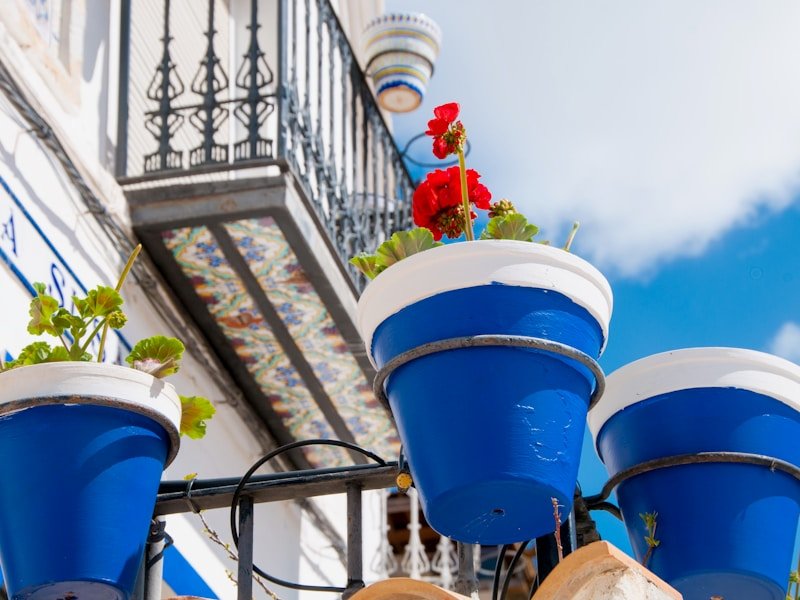
A patio vegetable garden is exactly what it sounds like: growing edible plants in containers, raised beds, or vertical structures on a patio, balcony, deck, or any small outdoor space. It’s not about having acres of land. It’s about using what you have—pots, troughs, hanging baskets, even repurposed buckets—to grow food close to your door.
The beauty of a patio garden is that it’s scalable. You can start with one tomato plant in a five-gallon bucket or go all-in with a dozen containers and a trellis system. The key is that everything is portable, manageable, and within arm’s reach. No tilling, no weeding a massive plot, no back-breaking labor. Just you, some soil, seeds or starts, and a bit of patience.
For anyone short on space but long on ambition, this is the gateway to growing your own food. And spring is the perfect time to start.
Alright, let’s get into the nuts and bolts. Here’s a step-by-step process that I’ve refined over several seasons. Follow these steps, and you’ll be eating from your patio by early summer.
Let me tell you about my first real patio garden. I was living in a second-floor apartment with a 6×10-foot balcony that faced west. I thought I was clever. I bought six tomato plants, three pepper plants, and a bunch of herbs. I stuffed them into mismatched pots, some too small. I watered every evening because that’s when I got home from work.
By mid-July, the tomatoes were leggy, the peppers had blossom-end rot, and the basil was a yellow, stunted mess. I was frustrated. So the next spring, I did my homework. I measured sunlight—only 5 hours of direct afternoon sun. Not enough for full-sized tomatoes. I switched to cherry tomatoes and determinate varieties. I used 5-gallon buckets for everything. I set up a drip irrigation system on a timer. I added a layer of mulch on top of the soil to retain moisture.
The result? That summer, I harvested over 40 pounds of cherry tomatoes, 30 bell peppers, and enough basil to make pesto every week. My neighbor started calling me the “balcony farmer.” The key wasn’t magic—it was matching plants to conditions and giving them the right container size and consistent care.
Another case: a friend of mine in a shady courtyard tried to grow zucchini. It failed miserably—too little sun. She switched to kale, Swiss chard, and mint. Those thrived. She now has a salad garden that produces from April through November. The lesson: be honest about your light, and pick plants that will actually grow there.
Here’s a quick comparison of popular patio vegetables to help you decide what to plant this spring.
[TABLE_SECTION]
[FAQ_SECTION]
Starting a patio vegetable garden this spring doesn’t have to be overwhelming. You don’t need a green thumb or a ton of space. You just need to pick the right plants for your light, use proper containers and soil, water consistently, and feed your plants. That’s it.
I’ve made the mistakes so you don’t have to. And I promise, the first time you bite into a sun-warmed tomato you grew yourself, it’s worth every bit of effort. So go ahead—grab a pot, some soil, and a seed packet. But remember what you read here. Watch this before you start a patio vegetable garden this spring, and you’ll be eating fresh produce before you know it.
Got questions? Drop them in the comments. I read every one. And if you’ve got your own patio garden story, share it—I’d love to hear what’s working for you.
The Complete Video Guide to Pruning Patio Fruit Trees
| Vegetable | Sunlight Needed | Container Size | Days to Harvest | Difficulty |
|---|---|---|---|---|
| Cherry Tomato | 6-8 hours | 5 gallons | 60-70 days | Easy |
| Bell Pepper | 6-8 hours | 3-5 gallons | 70-90 days | Moderate |
| Lettuce | 4-6 hours | 1-2 gallons | 30-50 days | Easy |
| Cucumber | 6-8 hours | 5 gallons | 50-70 days | Moderate |
| Basil | 6-8 hours | 1 gallon | 30-40 days | Easy |
| Radish | 4-6 hours | 1 gallon | 25-30 days | Easy |
| Bush Beans | 6-8 hours | 3 gallons | 50-65 days | Easy |
| Kale | 4-6 hours | 2-3 gallons | 50-70 days | Easy |
Rainwater Harvesting Hacks for Small Backyard Gardeners
How to Avoid Common Beginner Mistakes Using Video Gardening Lessons
Not all vegetables are suited for container life. From my experience, the most reliable patio performers are compact varieties that don’t need sprawling root space. Here are my top picks, along with a quick reference table to help you choose.
Tomatoes, peppers, and eggplants thrive in large pots. Leafy greens like lettuce and spinach are perfect for shallow containers and partial shade. Herbs like basil, parsley, and chives are practically foolproof. And if you want something that looks stunning, try rainbow chard or ‘Tumbling Tom’ tomatoes in hanging baskets. The key is to match the plant’s needs to your space and sunlight.
Check out the comparison table below for a snapshot of the best patio vegetables, their sunlight needs, container sizes, and days to maturity.
If your patio is seriously short on floor space, vertical gardening is a game-changer. I once turned a bare wall into a lush salad factory using stackable planters and a simple trellis. Not only does vertical gardening double or triple your growing area, but it also improves air circulation and makes harvesting easier.
Use wall-mounted pockets for herbs, attach a trellis to a large pot for climbing beans or cucumbers, or invest in a tiered plant stand for strawberries and succulents. Just make sure your supports are sturdy and can handle the weight of mature plants—especially when the soil is wet. Trust me, you don’t want a toppling tomato tower.
Spring is unpredictable, so be ready to protect your plants from late frosts. Keep an eye on the weather forecast and have a frost cloth or old bedsheet on hand. On cold nights, cover your containers or move them into a sheltered spot. For an early start, you can also use a small portable greenhouse or cold frame. This extends your season by a few weeks on both ends, giving you an earlier harvest and a longer fall crop.
| Vegetable | Sunlight | Container Size | Days to Maturity | Best for Beginners |
|---|---|---|---|---|
| Tomato (bush) | 6-8 hours | 5+ gallons | 60-80 | Yes |
| Pepper | 6-8 hours | 3-5 gallons | 60-90 | Yes |
| Lettuce | 4-6 hours | 1-2 gallons | 30-50 | Yes |
| Radish | 4-6 hours | 1 gallon | 25-35 | Yes |
| Cucumber | 6-8 hours | 5+ gallons | 50-70 | No (needs trellis) |
| Herbs (basil, parsley) | 4-6 hours | 1 gallon | 30-60 | Yes |
| Swiss Chard | 4-6 hours | 2 gallons | 40-60 | Yes |
According to a 2025 survey by the National Gardening Association, 35% of U.S. households now grow food at home, up from 30% in 2020. Container gardening is the fastest-growing segment, with a 42% increase in participation over the past five years. Additionally, a single 5-gallon pot can yield up to 10 pounds of tomatoes per season, and vertical gardening can increase crop yield by 200–300% in small spaces.