Stop Guessing. Start Harvesting.
Stop Guessing. Start Harvesting.
Do you dream of growing your own vegetables but only have a small apartment balcony?
Many beginners assume they need a massive backyard or an acre of land to grow food successfully. In reality, even a tiny concrete balcony can produce fresh herbs, crisp leafy greens, and juicy vegetables throughout the year. You don’t need to be born with a green thumb; you just need to know how to work with the unique micro-environment of your apartment space.
This guide will show you exactly how to start a balcony vegetable garden step by step, avoiding the costly mistakes that cause most beginner gardens to fail.
To start a balcony vegetable garden, first evaluate your sunlight conditions, choose suitable containers with proper drainage, use high-quality potting soil rather than garden soil, and select beginner-friendly crops such as lettuce, basil, spinach, and cherry tomatoes. Most apartment balconies can successfully grow food with proper planning, adequate watering, and systematic space management.
Before buying seeds, it is crucial to understand why many first-time urban gardeners get discouraged. Growing in containers on a raised structure introduces challenges that traditional backyard gardens do not face.
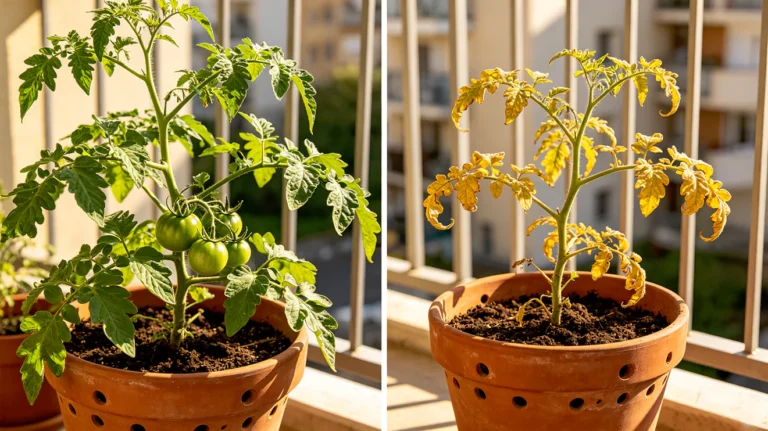
The five most common reasons a balcony garden fails include:
Follow this systematic blueprint to design, plant, and maintain your very first productive balcony garden.
Before choosing your plants, you must know your balcony’s daily sun exposure. Spend a weekend tracking how many hours of direct sunlight hit your space.
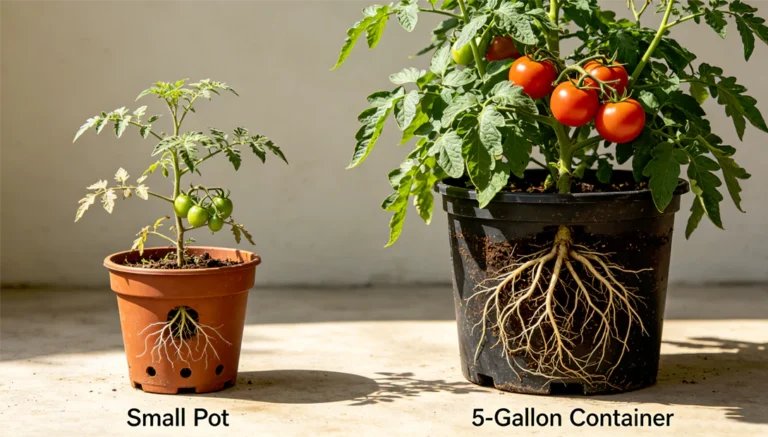
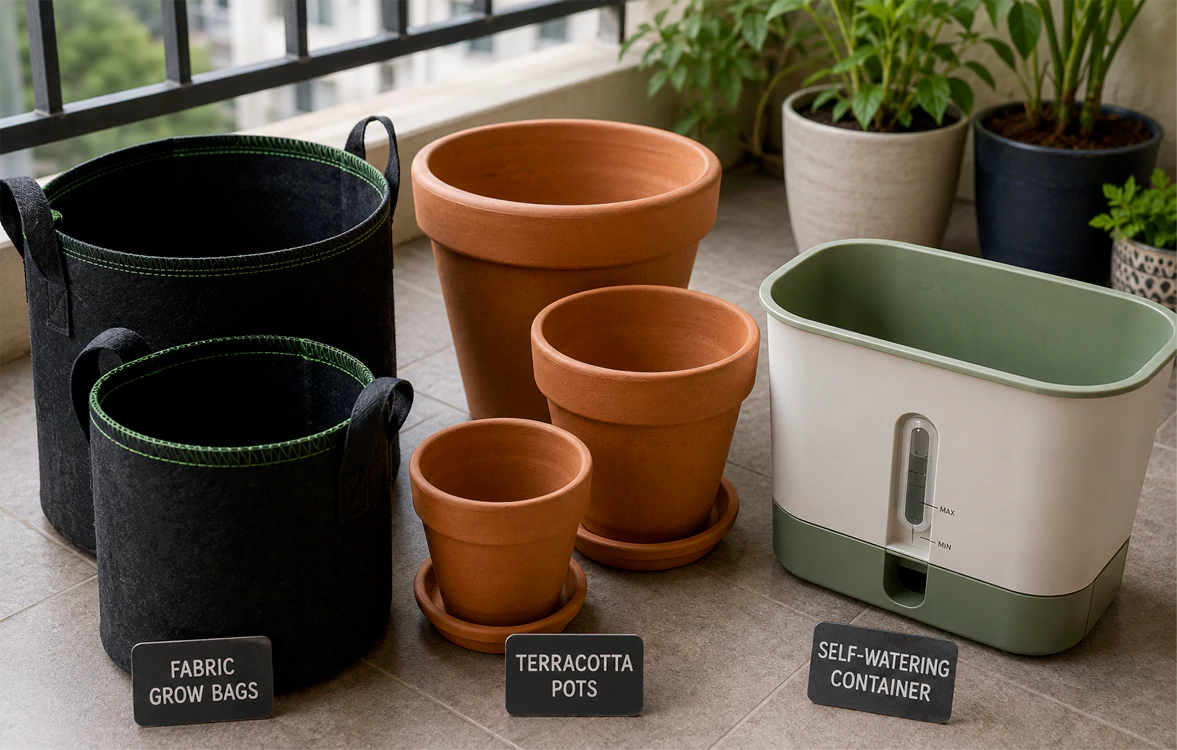
Every container on your balcony must have drainage holes at the bottom. Without them, water pools at the base, rotting the roots. For beginners, lightweight fabric grow bags or self-watering plastic pots are excellent because they regulate moisture efficiently and do not add excess weight to your balcony structure.
Start small with high-yield, fast-growing varieties. Do not try to grow everything at once. Focus on crops that offer a high return on investment for small spaces, such as:
Never scoop dirt from the ground outside. Instead, invest in a premium, organic Container Gardening Guide approved potting mix. These commercial mixes are a blend of peat moss, pine bark, perlite, or vermiculite. They are specifically formulated to remain fluffy, hold moisture, and allow roots to breathe freely.
Because pots lose moisture rapidly through their sides and bottoms, checking your plants daily is essential. Establish a morning routine to test the soil. Insert your index finger two inches deep into the soil. If it feels dry, water thoroughly until you see water draining out of the bottom holes. If it feels damp, check again the following morning.
To ensure your setup stays healthy and vibrant, keep these critical parameters in mind:
You do not need heavy farming equipment to manage an apartment garden. A few high-quality, targeted items will keep your workload low and your success rate high.
| Tool | Why It Helps |
| Grow Bags | Breathable fabric prevents root circling and improves overall root health. |
| Self-Watering Pots | Built-in reservoirs deliver consistent moisture, reducing daily maintenance. |
| Organic Potting Mix | Provides the perfect structural balance and initial nutrients for container growth. |
| Hand Pruners | Allows clean, precise cuts when harvesting herbs or pruning tomato suckers. |
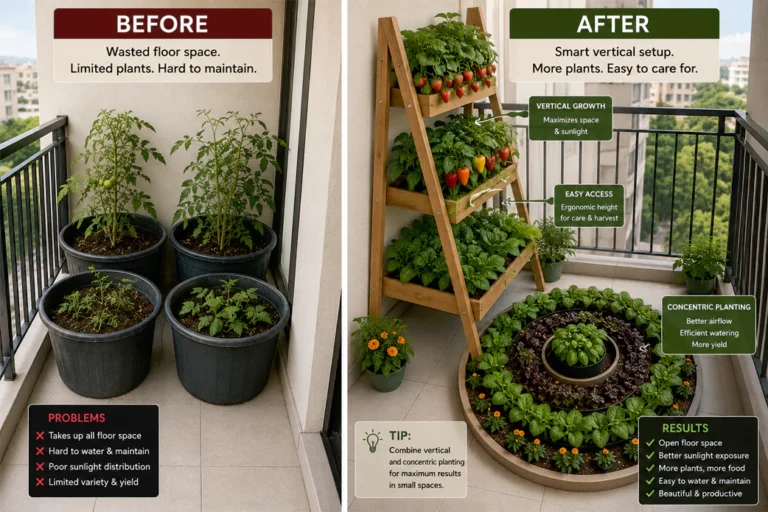
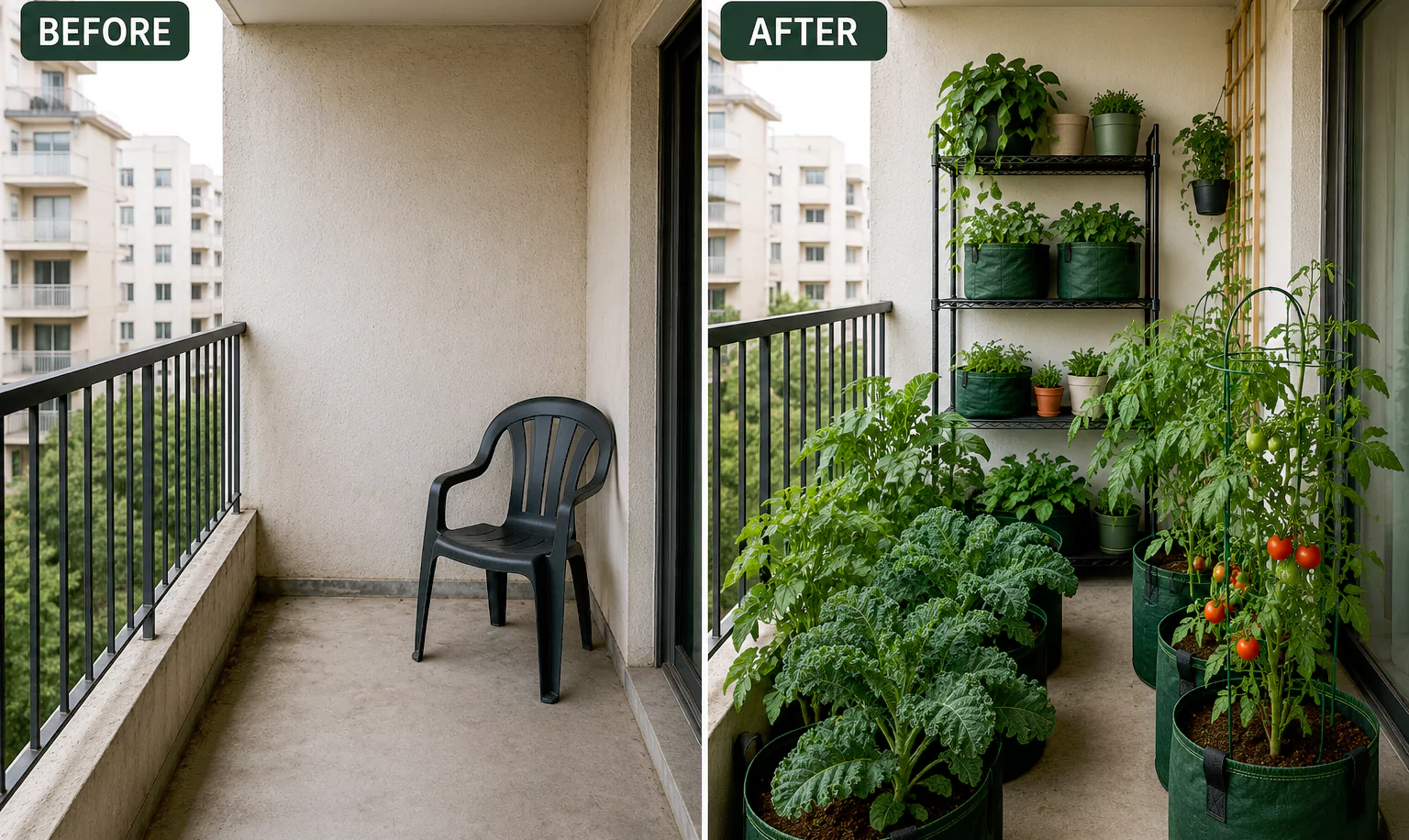
Sarah, a marketing manager living in a 4th-floor downtown apartment, wanted a mindful hobby to help her disconnect after work. Her east-facing balcony measured exactly 45 square feet.
Most traditional fruiting vegetables (tomatoes, peppers, cucumbers) require a minimum of 6 hours of direct sunlight daily. However, if your balcony is shaded, you can easily grow leafy greens, root vegetables, and common culinary herbs with just 3 to 5 hours of indirect or partial light.
The most successful container vegetables are those with compact root systems or dwarf growth habits. Cherry tomatoes, radishes, spinach, bush beans, snack peppers, and almost all culinary herbs thrive inside pots. Check out our list of the Best Vegetables For Small Balconies for a detailed analysis.
Yes, but you must select shade-tolerant crops. North-facing balconies receive very little to no direct sunlight. Focus your efforts on leafy greens (like lettuce and arugula) and shade-loving herbs (like mint, parsley, and chives). Avoid sun-loving fruiting plants.
There is no fixed calendar rule. During peak summer heat or high winds, container plants may require watering every day. In cooler spring or autumn months, they might only need water every few days. Always use the “finger test” to check the top two inches of soil before adding water.
Radishes and loose-leaf lettuce are widely considered the easiest options. They germinate within days, grow rapidly, suffer from very few container pests, and can be harvested in less than a month, providing a quick confidence boost for beginners. Learn more by avoiding common pitfalls in our Balcony Gardening Mistakes guide.
Don’t spend money guessing what works. Download our free, comprehensive starter kit and get your apartment garden running smoothly on the very first try.
Download our free guide today and receive:
[ info@yardveggie.com/ ]
👉 [ DOWNLOAD YOUR FREE STARTER KIT NOW ]
If you are ready to skip the trial-and-error altogether, look at our comprehensive video system. Our premium Balcony Harvest Masterclass provides a complete, visual blueprint designed specifically for urban spaces.
Learn how to maximize your small square footage using high-definition, fluff-free tutorials covering: