
Stop Guessing. Start Harvesting.
Stop Guessing. Start Harvesting.
Discover why commercial growers are switching to vertical tomato trellises for pots—and how they reduce breakage, increase yield, and make harvesting easier.
In the world of commercial container gardening, the humble tomato presents an outsized challenge. Unlike field-grown crops, potted tomatoes are confined to a finite root zone and a limited canopy footprint. Every square inch of vertical space matters. That’s why a vertical tomato trellis for pots is no longer an optional add-on—it’s a structural investment that determines crop health, harvest efficiency, and the bottom line.
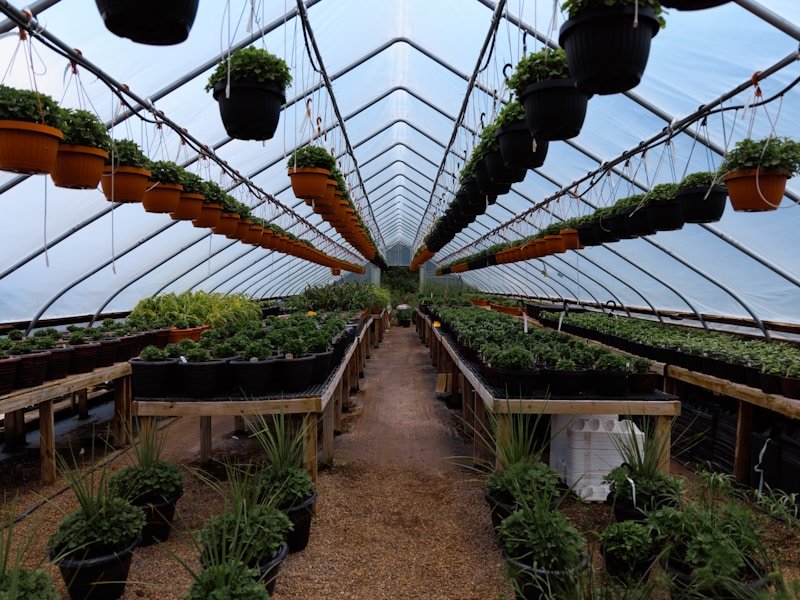
For greenhouse managers, wholesale nurseries, and urban farming operations, the choice of trellis system directly impacts labor costs, disease pressure, and usable yield. In this guide, we’ll break down exactly what a vertical tomato trellis for pots is, how to select the right model, and how to install and maintain it for maximum ROI. Best Vertical Vegetable Garden Ideas for Balcony
A vertical tomato trellis for pots is a freestanding support structure designed specifically for container-grown tomato plants. It uses vertical stakes, towers, or netting to guide the main stem upward, eliminating the need for sprawling ground growth. Typical designs include wire cages, folding towers, clip-on stakes, and trellis nets attached to a center pole. The system keeps fruit off the soil, maximizes sunlight exposure, and simplifies harvesting—all within the footprint of a nursery pot.
Follow these five steps to get the most from your trellis investment and avoid the common mistakes we see in commercial setups. How to Grow Tomatoes in Containers Step by Step: A Commercial Guide
Before ordering 2,000 trellises, measure your pot diameters and weight capacity. A top-heavy tomato plant with fruit can easily tip a 3-gallon container if the trellis is not anchored. For pots under 5 gallons, use a tower or cage that clips securely to the rim. For larger pots (7–15 gallons), a center stake with horizontal clips or a heavy-duty cage works best. Check the base width of the trellis—it should be at least 70% of the pot diameter to prevent pivoting.
Material matters. Powder-coated steel resists rust and holds up for 10+ seasons; galvanized steel is slightly cheaper but can develop white rust in high-humidity environments. Anodized aluminum is light and corrosion-proof but bends under heavy loads. Plastic trellises are cheap but crack in UV light. For commercial wholesale, we recommend a modular steel design with replaceable clips and straps. The table below compares the most common options.
| Trellis Type | Material | Max Height | Support Strength | Typical Pot Size | Price Range (Wholesale) |
|---|---|---|---|---|---|
| Stake and Clip | Galvanized Steel | 6 ft | High | 5-15 gal | $1.80 – $3.20/unit |
| Wire Cage | Powder-Coated Steel | 4 ft | Medium-High | 3-10 gal | $2.50 – $4.50/unit |
| Trellis Netting System | Polypropylene + Steel Pole | 7 ft | Medium | 5-20 gal | $0.90 – $1.40/sq ft |
| Folding Tower | Galvanized Steel | 5 ft | High | 3-10 gal | $3.10 – $5.60/unit |
| Plastic Cage | UV-Stabilized Plastic | 3.5 ft | Low-Medium | 2-5 gal | $0.60 – $1.10/unit |
Never push a trellis into the soil after the plant is established—you will sever feeder roots. Install the support at potting time, so the plant grows naturally around it. For cages, seat the base legs firmly into the growing media before the first watering. For stake-and-clip systems, drive the stake to the bottom of the pot and use wire twists to secure it to the pot rim. Test lateral stability by pushing the top of the trellis with 10 lbs of force; if it wobbles, add a second anchor clip. Pot Tomatoes Yield Secret: Proven Strategies for Commercial Container Growers
The vertical trellis only works if you actively train the plant. Use soft ties or tomato clips every 8–10 inches along the main stem. Remove all suckers below the first flower cluster, and pinch off any lateral shoots that compete with the central leader. As the plant reaches the top of the trellis, allow it to cascade over or pinch the terminal bud to stop upward growth. This technique concentrates energy into fruit set and keeps the canopy open for airflow.
At the end of the growing cycle, remove the plants and pull out all clips. Clean trellises with a 10% bleach solution or a commercial greenhouse disinfectant to kill fungal spores and bacteria. Inspect welds, bends, and coating for wear. Store them off the ground in a dry shed to prevent corrosion. With proper care, a high-quality steel trellis will outlive your plastic pots by a decade. Small Porch Vegetable Gardening: Grow Fresh Food in Tiny Spaces
We worked with a 4-acre greenhouse operation in Homestead, FL, growing 25,000 determinate tomato plants in 5-gallon pots. They were using traditional willow stakes and twine, and every season they lost 15% of plants to wind damage and another 10% to soil-borne pathogens from low-hanging fruit. After switching to a galvanized steel vertical tomato trellis for pots—specifically, a 4-foot folding tower with a powder-coated finish—the numbers changed dramatically:
The operation recouped the entire cost of the new trellises in one season. They still use the same trellises five years later. The Ultimate Guide to Patio Container Size for Vegetables: Grow a Bounty on Your Balcony
In commercial pot production, most trellis failures start at the anchorage point, not at the stem. Treat the system as a load path: fruit and foliage load moves from the stem to the clip or tie, into the upright, and finally into the pot rim, base plate, bench rail, or floor block. Before scaling a design, test the path with a saturated pot, because wet growing media adds substantial mass and reduces the safety margin against tipping.
For pots standing on a floor or gravel bed, use a rim clamp or base plate in addition to a stake driven to the bottom of the pot. A stake held only by loose media can loosen after repeated irrigation cycles. For pots on benches or troughs, anchor uprights to the bench frame or a shared rail rather than to each individual pot; this reduces the number of parts per plant and keeps tall plants from transferring load into lightweight containers. Keep taller plants toward the inside of a block and maintain aisle clearance so harvest carts and workers do not strike the trellis tops.
Clips and ties are the wearable parts of a vertical trellis for pots. Standardize one clip type per variety or bay so workers can replace parts without matching sizes. Use soft ties or wide-contact clips on stems that are thickening rapidly, and check tension after fruit set, when stem diameter and load both increase. Over-tightened ties can girdle stems; loose ties allow rubbing and truss movement.
Record clip and tie replacements per 100 plants each season. A rising replacement rate signals UV degradation, brittle plastic, or rough handling during harvest. Keep a small repair kit on the harvest cart with spare clips, soft ties, and rim clamps, and replace cracked parts immediately rather than waiting for end-of-season maintenance.
Before ordering a full house of a new trellis design, run a small side-by-side trial with the same variety, pot size, irrigation schedule, and training method. Confirm four things: the trellis base fits or clamps to your actual pot rim; the upright does not interfere with irrigation lines or harvest aisles; replacement clips and straps are available in commercial packs; and the system can be handled by one worker without tools during a harvest pass. Compare the trial against your current practice for training time, tip-over incidents, and clip replacement count. Keep the results as internal evidence rather than relying on vendor yield claims.
| Interval | Inspection Focus | Pass Criteria | Corrective Action | Record to Keep |
|---|---|---|---|---|
| At potting or transplant | Base fit, rim clamp, stake depth | Base engages pot or rail; stake reaches pot bottom; upright is vertical | Refit clamp, reset stake, or change base type before planting | Trellis type and pot size per bay |
| Weekly during rapid growth | Clip tension, stem rubbing, upright stability | Clips hold stem without girdling; no rubbing; no wobble at top | Loosen or reposition clips; add rim clamp or rail tie | Clip adjustments and replacement count |
| After irrigation or fertigation events | Pot mass and tipping risk | Pot does not rock; trellis top does not lean into aisle | Shift pot inward, add base weight or rail anchorage | Tip-over incidents per 100 pots |
| After each harvest pass | Loose ties, cracked clips, truss support | No missing or cracked parts; heavy trusses remain supported | Replace parts from cart kit; retie loose stems | Replacements per 100 plants |
| At season end | Coating wear, bends, weld condition, part loss | No sharp corrosion points; uprights straight; clips accounted for | Clean, dry, and tag damaged units for repair or retirement | Season service life and repair list |
| Before storage | Cleanliness and dryness | No soil, plant debris, or standing water on trellis | Disinfect according to label, dry fully, store off ground | Storage location and next-season inventory |
Updated statistics note: no reliable public numeric data is available for yield lift by specific vertical trellis design in potted tomatoes, and vendor figures should not be treated as evidence. Update your own block-level baseline instead. Record per 100 plants: tip-over incidents, training minutes per week, clip or tie replacements per season, marketable mass per plant, cull mass per plant, and days from transplant to final harvest. Calculate trellis cost per plant per season as delivered unit cost divided by expected service seasons; calculate clip replacement rate as replacements per 100 plants per season; calculate tip-over rate as tipped pots per 100 pots per crop. Compare one trellis design against current practice in the same house, season, variety, pot size, and irrigation schedule. Use the results internally and repeat over at least one full crop cycle before changing a whole house.
