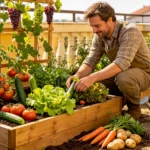
Stop Guessing. Start Harvesting.
Stop Guessing. Start Harvesting.
Turn your backyard into a zero-waste haven with these creative recycling ideas. From compost bins to upcycled planters, learn how to garden sustainably and save money.
I remember the first time I looked at my overflowing trash bin after a weekend of gardening—plastic pots, twist ties, and torn bags of soil. It hit me hard. I was trying to grow food to be more self-sufficient, yet I was creating so much waste. That’s when I dove into zero-waste gardening, and honestly, it changed everything. Zero-waste gardening isn’t just a trend; it’s a mindset shift that helps you recycle, reuse, and reduce right in your own backyard. In this article, I’ll share creative ways to recycle household items into garden gold, so you can save money, help the planet, and grow a lush garden without the guilt.

Zero-waste gardening is the practice of minimizing waste by reusing, repurposing, and recycling materials within your garden ecosystem. Instead of buying new plastic pots, synthetic fertilizers, or disposable tools, you rely on what you already have—kitchen scraps, old containers, fallen leaves, and even broken furniture. The goal is to send nothing to the landfill while creating a self-sustaining loop where every ‘waste’ becomes a resource. Think of it as gardening in harmony with nature’s own circular system.
Ready to transform your garden into a zero-waste powerhouse? Here are five ordered steps that have worked for me and countless other gardeners.
Last spring, I decided to test zero-waste gardening on a 10×10-foot plot. I collected old pallets from a local store (free!), broke them down, and built a raised bed. I lined it with cardboard from delivery boxes to suppress weeds. For soil, I used my homemade compost mixed with leaves from my yard. I planted tomatoes, peppers, and basil. By August, I harvested 30 pounds of tomatoes—all without buying a single plastic pot or bag of soil. The cost? Zero dollars. The waste? None. My neighbor was so inspired she started saving her egg cartons for me.
In Portland, Oregon, a community garden called ‘The Green Thumb Collective’ adopted zero-waste principles. They collected 500 plastic bottles from members’ homes, cut them in half, and used them as mini greenhouses for seedlings. They also set up a neighborhood compost drop-off, turning 200 pounds of food waste into fertilizer each month. Within one year, they reduced their waste output by 80% and saved $1,200 on supplies. Their secret? Creative recycling and community participation.
Below is a comparison of common gardening practices versus zero-waste alternatives. Use this to make smarter choices.
[TABLE_SECTION]
[FAQ_SECTION]
Zero-waste gardening proves that you don’t need a big budget or fancy tools to grow a beautiful, productive garden. By composting, upcycling containers, saving seeds, and harvesting rainwater, you can turn trash into treasure and nurture the earth at the same time. Start small—maybe with a few egg carton seed starters or a simple compost bin. Every step counts. I’d love to hear your own zero-waste hacks. Drop a comment below and share what works in your backyard. Let’s grow a greener future together!
Cold-Hardy Vegetables That Survive Winter in Small Yards
| Aspect | Traditional Gardening | Zero-Waste Gardening |
|---|---|---|
| Containers | Buy new plastic pots | Use old buckets, cans, egg cartons, or broken furniture |
| Soil | Purchase bagged soil and fertilizers | Make compost from kitchen and yard waste |
| Water | Use tap water or hose | Collect rainwater in barrels |
| Pest Control | Chemical sprays in disposable bottles | Homemade remedies (garlic, neem oil) in reused sprayers |
| Seeds | Buy seed packets each year | Save seeds from your own plants |
| Tools | Buy new plastic tools | Repair old tools or borrow from neighbors |
| Cost | High (up to $200/year for supplies) | Low to zero (mostly free materials) |
| Environmental Impact | High plastic and chemical waste | Minimal waste, carbon footprint reduced |
Your Month-by-Month Backyard Vegetable Planting Calendar