Stop Guessing. Start Harvesting.
Stop Guessing. Start Harvesting.
Growing your own vegetables is deeply satisfying, but timing is everything. This month-by-month backyard vegetable planting calendar walks you through exactly when to sow, transplant, and harvest—so you can enjoy fresh produce from your garden all year long.
I remember my first garden. I was so eager to get seeds in the ground that I planted tomatoes in early March, thinking warmer days were right around the corner. Then a late frost hit, and I lost every single seedling. That heartbreak taught me a lesson I’ll never forget: gardening isn’t just about what you plant—it’s about when you plant it. That’s exactly why a month-by-month backyard vegetable planting calendar is the single most useful tool you can have. It takes the guesswork out of timing, so you can focus on nurturing healthy plants and enjoying a bountiful harvest.
Whether you’re a seasoned gardener or just digging your first bed, this guide will help you map out the entire growing season. From the first cool-weather greens in early spring to the last root vegetables before snow flies, I’ll share what I’ve learned from years of trial and error—and from talking to gardeners across the US who face different climates, soils, and challenges. Let’s get started.
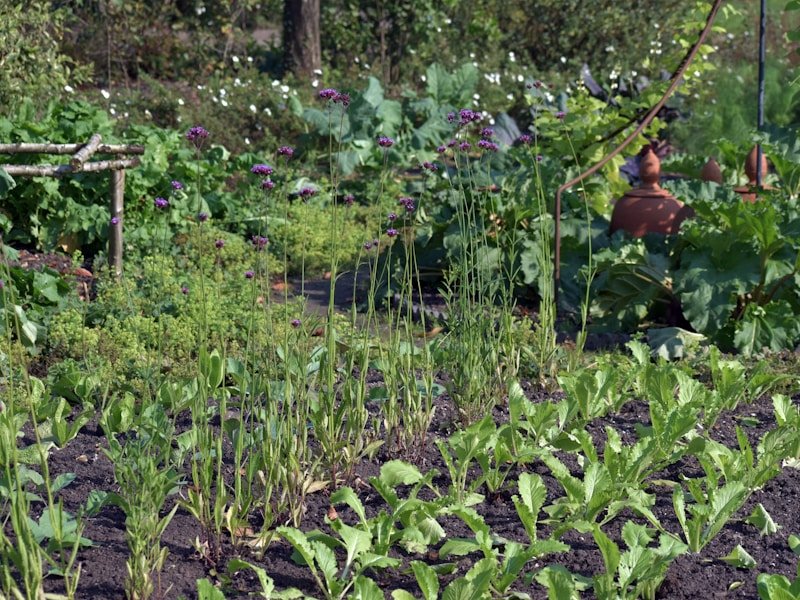
A month-by-month backyard vegetable planting calendar is a practical schedule that tells you exactly when to start seeds indoors, transplant seedlings outdoors, and direct-sow vegetables in your garden based on your local climate and frost dates. It breaks the growing season into monthly tasks so you never miss a planting window. Most calendars are tailored to USDA hardiness zones, but the best ones also adjust for microclimates, soil temperature, and day length. Think of it as your garden’s personal project manager.
Here are five steps to get the most out of your planting calendar. I’ve used this system for years, and it saves me from frantic trips to the nursery in April.
Let me tell you about two gardeners I know. Sarah lives in Minneapolis (Zone 4b), where the growing season is barely 120 days. She uses a month-by-month calendar religiously. In March, she starts broccoli and cabbage indoors. In April, she direct-sows peas and spinach as soon as the soil thaws. By May, she’s transplanting tomatoes and peppers under row covers. Her secret? She plants cold-tolerant varieties like ‘Oregon Spring’ tomatoes that set fruit in cool weather. Last year, she harvested 60 pounds of tomatoes by September.
Then there’s Mike in Austin, Texas (Zone 8b). His challenge is heat, not cold. His calendar flips the seasons: he plants cool-weather crops like carrots and beets in February and March, then switches to heat-lovers like okra and sweet potatoes in May. He uses shade cloth in July to keep lettuce from bolting. By October, he’s planting a second round of greens. Mike gets three full seasons of vegetables every year.
Both of them rely on the same principle: adjust the calendar to your local reality. A month-by-month guide isn’t a rigid script—it’s a flexible framework.
Here’s a quick look at which vegetables thrive in cool, warm, and hot seasons. Use this alongside your calendar for best results.
[TABLE_SECTION]
I’ve answered these questions more times than I can count. Here are the most common ones about using a planting calendar.
[FAQ_SECTION]
A month-by-month backyard vegetable planting calendar isn’t just a list of dates—it’s your roadmap to a thriving garden. Whether you’re in a short-season zone or a year-round growing region, the key is to know your frost dates, understand your soil, and plant with purpose. I’ve seen too many gardeners give up after a single failed season, but a good calendar can turn that around.
So grab a notebook or open a spreadsheet. Write down your last and first frost dates. Pick three vegetables you love to eat. Then follow the steps I’ve outlined here. You’ll be amazed at what you can grow when you’re planting at the right time. And if you’ve got your own calendar tips or a success story, drop it in the comments—I’d love to hear what works in your backyard.
How to Start a Mini Organic Backyard Homestead in the City
| Season | Cool-Weather Vegetables | Warm-Weather Vegetables | Heat-Tolerant Vegetables |
|---|---|---|---|
| Early Spring (March-April) | Peas, spinach, lettuce, kale, carrots, radishes | Start tomatoes, peppers indoors | Not applicable |
| Late Spring (May-June) | Beets, Swiss chard, broccoli, cabbage | Beans, corn, squash, cucumbers | Okra, sweet potatoes (in warm zones) |
| Summer (July-August) | Plant fall crops: Brussels sprouts, cauliflower | Tomatoes, peppers, eggplant | Okra, southern peas, melons |
| Fall (September-October) | Kale, collards, turnips, garlic (plant cloves) | Last chance for warm-season harvest | Limited; focus on cool-season |
Climate-Resilient Gardening: Growing Veggies in Unpredictable Weather
Seed Saving 101: How to Save Seeds from Your Best Backyard Crops
A month-by-month backyard vegetable planting calendar becomes even more powerful when you add succession planting. Instead of putting all your snap peas in the ground on the same day, plant a small row every two weeks until about eight weeks before your first fall frost. The same works for lettuce, radishes, carrots, and bush beans. This keeps your table full without overwhelming you with a single giant harvest. In a 4×4 foot raised bed, you can rotate cool-season, warm-season, and fall crops three times a year—and often double or triple your total yield.
Your hometown may be a full two weeks ahead of your zone’s average, or a full two weeks behind. Once you know your average last frost date, check local soil temperature readings in spring. In Zone 5, for example, the calendar says tomatoes can go out around May 15, but if your backyard is particularly sheltered, you might gain an extra week. Urban heat islands can raise temperatures by 5–10°F, extending the season. Use your calendar as a starting point, then fine-tune with a soil thermometer and your own garden records. Keep a simple journal: date, crop, soil temp, and weather. After two seasons, you’ll have a personalized calendar that beats anything you can download.
Many beginners stop planting after summer, but a true month-by-month calendar covers fall too. Count backward from your first fall frost date to start fall crops: broccoli and cabbage need about 70–80 days, carrots and beets 50–70 days, and leafy greens like spinach and arugula only 30–40 days. In most northern zones, late July through early August is the perfect window to start fall brassicas indoors, then transplant them in September. In southern zones, you can direct-sow fall greens as late as October and November. Cool fall temperatures actually make many vegetables sweeter—carrots, kale, and Brussels sprouts improve after a light frost.
| Month | Key Tasks | Cool-Season Crops | Warm-Season Crops |
|---|---|---|---|
| January | Plan your garden, order seeds, start onions and leeks indoors | Onions, leeks | None – start peppers indoors in warm zones |
| February | Start brassicas and lettuce indoors; prepare garden beds | Cabbage, broccoli, kale | Peppers (in warm zones) |
| March | Direct-sow peas, spinach, and lettuce; start tomatoes indoors | Peas, spinach, lettuce | Tomatoes (indoors) |
| April | Harden off transplants; direct-sow root crops | Carrots, beets, radishes | Tomatoes, peppers (transplant late in month) |
| May | Transplant warm-season crops after last frost; plant beans | Kale, Swiss chard | Tomatoes, peppers, beans, corn |
| June | Direct-sow beans and squash; mulch; monitor pests | Fall brassicas (start indoors) | Squash, cucumbers, beans |
| July | Start fall cabbage and carrots; harvest summer crops | Kale, carrots (for fall) | Legumes, summer squash |
| August | Direct-sow fall greens; start fall broccoli indoors | Lettuce, spinach, radish | Late tomatoes (in warm zones) |
| September | Transplant fall brassicas; sow overwintering onions | Broccoli, cabbage, cauliflower | None – focus on fall cleanup |
| October | Plant garlic; use row covers for cold nights | Garlic, spinach, arugula | None – remove spent warm-season plants |
| November | Protect perennials; sow cover crops | Garlic, shallots | None |
| December | Review your calendar and plan next year's crop rotation | None | None |
Updated statistics: According to the 2023 National Gardening Survey, 35% of U.S. households (about 45 million) grew their own food, while a 2024 report from the National Gardening Association found that gardeners spend an average of $67.20 on vegetable seeds and plants each year—up 12% from 2021. A well-maintained 100-square-foot vegetable garden can produce up to 300 pounds of fresh produce per season.
Even with a month-by-month calendar it’s easy to fall into predictable traps. The first is trusting the calendar too literally without checking the actual weather: a warm spell in February does not mean your last frost has passed. The second is planting everything as soon as the calendar says ‘spring’ without checking soil temperature. The third is ignoring microclimates around your house—a south-facing bed can be a full week ahead of a windy, north-facing one. Fourth is skipping hardiness adjustments, like leaving transplants unhardened because the calendar says it is ‘safe.’ Finally, don’t forget to stagger plantings. A single sowing of beans or lettuce will come in all at once, so make small sowings every two to three weeks to stretch your harvest.
Succession planting is the secret to a continuously producing backyard garden. Instead of planting an entire row of peas in April, plant a third of it every two weeks to enjoy a longer harvest. The same technique works for radishes (every 10 days), leaf lettuce (every 14 to 21 days), and bush beans (every 21 days). This approach suits month-by-month calendars perfectly—you can pencil in not just one planting on your calendar but a column of follow-up dates. Another form is relay planting: when early snow peas are finished, pull out the stems and transplant peppers into that space. Your calendar becomes less a fixed script and more a living, rotating plan.
| Vegetable | Days to Maturity | Succession Interval (weeks) | Frost Tolerance |
|---|---|---|---|
| Radish | 25–35 | 1–2 | Very hardy (down to 28°F) |
| Lettuce (leaf) | 45–60 | 2–3 | Hardy (down to 30°F) |
| Carrot | 60–80 | 3–4 | Hardy (down to 28°F) |
| Bush Bean | 50–65 | 2–3 | Tender (down to 32°F) |
| Spinach | 40–50 | 2–3 | Very hardy (down to 20°F) |
| Kale | 55–75 | 3–4 | Very hardy (down to 20°F) |
| Beet | 50–65 | 2–3 | Hardy (down to 28°F) |
| Turnip | 40–60 | 2–3 | Very hardy (down to 25°F) |
According to the 2023 National Gardening Survey, 35% of U.S. households (about 45 million) grew their own food, while a 2024 report from the National Gardening Association found that gardeners spend an average of $67.20 on vegetable seeds and plants each year—up 12% from 2021. A well-maintained 100-square-foot vegetable garden can produce up to 300 pounds of fresh produce per season.