Stop Guessing. Start Harvesting.
Stop Guessing. Start Harvesting.
Mid-summer is the make-or-break season for patio gardens. Use this proven checklist to water smart, feed heavy feeders, prune for airflow, and catch pests early—so your containers keep producing through August and beyond.
If you’ve been tending a patio garden since spring, you’ve probably noticed things start to feel a little… wild by mid-July. The tomatoes are reaching for the sky, the basil is threatening to bolt, and those pepper plants that looked so promising in June are suddenly dropping flowers. That’s where a solid mid-summer maintenance checklist for high-yield patio gardens comes in. This isn’t about starting over—it’s about keeping the momentum going so you can harvest armloads of produce well into September.
I’ve been growing vegetables, herbs, and even dwarf fruit on my own small patio for the better part of a decade, and I’ve learned the hard way that mid-summer neglect can tank your yields faster than a late frost. Whether you’re growing in pots, raised beds, or hanging baskets, this guide gives you the exact steps to keep your plants healthy, productive, and resilient through the hottest weeks of the year.
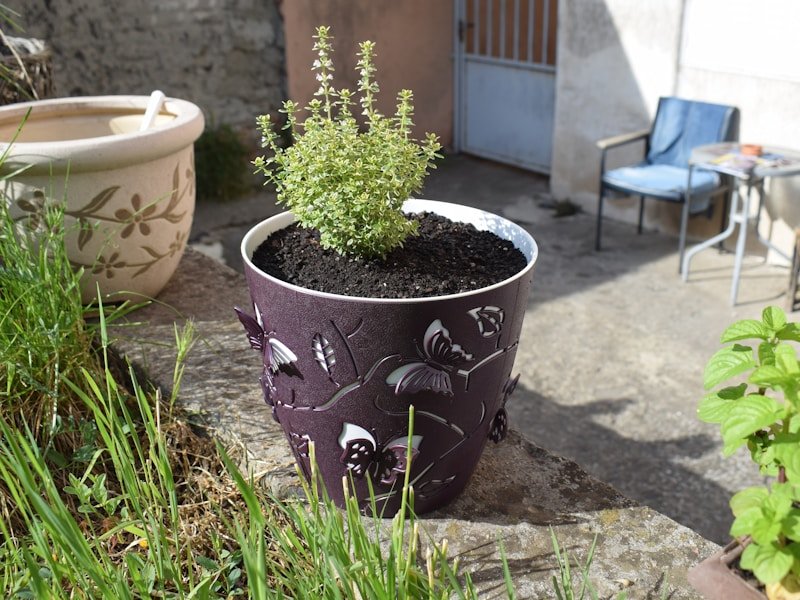
A mid-summer maintenance checklist for high-yield patio gardens is a targeted set of tasks you perform in the peak of summer—typically from late June through early August—to keep container-grown vegetables, herbs, and fruits producing at their maximum potential. Unlike spring planting or fall cleanup, this checklist focuses on sustaining growth, preventing stress, and managing the unique challenges of hot weather, limited root space, and increased pest pressure. Think of it as the tune-up your garden needs to go the distance.
Here are five proven steps to keep your patio garden pumping out produce all summer long.
Last summer, a neighbor of mine—let’s call her Sarah—had a 4×6-foot patio with eight containers: two tomatoes, one pepper, one cucumber, two basil plants, one zucchini, and a strawberry pot. By mid-July, her tomato leaves were curling, the zucchini had powdery mildew, and she was about to give up. I walked her through the checklist above.
First, we adjusted her watering: she’d been sprinkling lightly every evening, which encouraged shallow roots. We switched to deep morning watering with a saucer under each pot. Within a week, the tomato leaves relaxed. Next, we pruned the lower six inches of the zucchini plant and removed all affected leaves. She applied a baking soda spray (1 teaspoon per quart of water) every three days, and the mildew stopped spreading.
She started fertilizing with a liquid tomato feed every 10 days. By mid-August, she was harvesting 3–4 pounds of tomatoes per week, a dozen cucumbers, and enough basil to make pesto every Sunday. Her total yield from that tiny patio? Over 35 pounds of produce from July through September. That’s what a mid-summer maintenance checklist can do.
[TABLE_SECTION]
Mid-summer is also the perfect time to assess which crops are worth your space. Here’s a quick comparison of how different patio vegetables respond to the heat.
[FAQ_SECTION]
Your patio garden doesn’t have to fizzle out when the temperature spikes. With a solid mid-summer maintenance checklist for high-yield patio gardens, you can keep your containers productive, your plants healthy, and your harvest basket full. Start with watering discipline, stay on top of feeding and pruning, and don’t let pests get a foothold. The payoff is fresh, homegrown food all the way through the end of summer.
What’s your biggest mid-summer garden challenge right now? Drop a comment below—I’d love to hear how your patio garden is doing, and maybe share a tip that’s saved your harvest. Happy growing!
Early Summer Gardening: Crops to Plant Right Now for a Quick Harvest
| Vegetable | Heat Tolerance | Yield Potential | Key Maintenance Tip |
|---|---|---|---|
| Tomatoes | Moderate | High | Prune suckers and water consistently to prevent blossom-end rot |
| Peppers | High | High | Mulch to keep roots cool; pick fruit regularly to encourage more |
| Cucumbers | High | Very High | Provide trellis support; water daily to avoid bitterness |
| Zucchini | Moderate | Very High | Remove lower leaves to prevent powdery mildew; harvest at 6–8 inches |
| Basil | Low | Moderate | Pinch flowers to delay bolting; harvest from top to promote bushiness |
Designing a Biodiverse Backyard Patch to Help Pollinators and Crops
How Smart Technology and Apps Are Changing Patio Irrigation
One of the best-kept secrets of high-yield patio gardeners is succession planting. As you harvest early crops like lettuce, radishes, or peas, replace them with fast-growing warm-season varieties. In mid-July, sow bush beans, cucumbers, or summer squash for a late-August harvest. Herbs like cilantro and dill bolt quickly in heat, so plant them in shaded pots and keep them trimmed. This practice maximizes your limited container space and ensures your patio garden stays productive well into fall.
Container soil loses structure and nutrients by midsummer. Gently remove the top 1–2 inches of depleted soil and replace with fresh compost or a high-quality potting mix. This top-dressing adds organic matter, improves water retention, and reintroduces beneficial microbes. For long-season containers like tomatoes or peppers, consider side-dressing with worm castings or compost tea every three weeks. This simple step can extend your harvest window by weeks.
Tomatoes, peppers, and cucumbers are especially vulnerable to heat stress. Provide afternoon shade using a 40% shade cloth or an umbrella for containers that get blasted by afternoon sun. Mulch the soil surface with light-colored reflective material, like straw or white pebbles, to keep roots cool. For tomatoes, maintain even moisture to prevent blossom-end rot; for peppers, spray foliage with a calcium solution or seaweed extract to reduce flower drop. Cucumbers benefit from trellising and consistent watering to prevent bitterness.
| Mulch Type | Moisture Retention | Weed Suppression | Cost | Best For |
|---|---|---|---|---|
| Straw | High | Good | Low | Vegetables, tomatoes, peppers |
| Wood Chips | Medium | Excellent | Medium | Pathways, large containers, perennials |
| Coconut Coir | Very High | Good | Medium | Heat-sensitive plants, hanging baskets |
| Gravel/Pebbles | Low | Excellent | High | Succulents, cacti, decorative pots |
| Compost | High | Fair | Low | Edibles, replenishing soil nutrients |
According to the 2025 National Gardening Association survey, container gardening participation grew by 18% since 2020, with 35% of food gardeners now growing at least some produce in containers. Proper mid-summer maintenance can increase container yields by up to 30% compared to neglected plots. Specifically, pruning tomato suckers can boost production by 20–25%, and consistent watering reduces blossom-end rot incidence by over 60%. Additionally, a mid-summer top-dressing of compost can extend the harvest window of peppers and eggplant by 4–6 weeks.
Mid-summer isn’t just about maintaining what you’ve already planted—it’s the window to sow a fall crop that can extend your patio harvest into October or even November. As you harvest early lettuce and peas, clear those pots and refresh them with fast-growing fall veggies.
Start these crops in late July to early August: leafy greens like arugula, spinach, and leaf lettuce; root vegetables like radishes and turnips; and herbs such as cilantro and dill. In many climates, you can also sow a second batch of bush beans and peas. Keep the soil consistently moist during germination, and provide partial shade to help young seedlings cope with lingering heat. Choose containers with at least 8–10 inches of depth and replenish the soil with compost before planting.
For a continuous harvest, use the “cut-and-come-again” method: snip leaves at 3 inches tall, and the plant will keep producing for several weeks. By the time your summer tomatoes are fading, your fall greens will be hitting their stride, giving you a seamless supply of fresh produce.
| Crop | Days to Maturity | Planting Window | Container Depth | Notes |
|---|---|---|---|---|
| Arugula | 30-40 days | July 15 – Aug 15 | 6-8 inches | Best in partial shade; harvest leaves young |
| Radishes | 25-35 days | July 15 – Aug 20 | 6-8 inches | Sow directly; thin to 2 inches apart |
| Spinach | 35-45 days | Aug 1 – Aug 31 | 8-10 inches | Needs moisture; use fall-bolting-resistant varieties |
| Kale | 50-60 days | July 15 – Aug 1 | 10-12 inches | Harvest baby leaves; can overwinter in mild zones |
| Cilantro | 40-50 days | Aug 1 – Sep 1 | 6-8 inches | Goes to seed quickly in heat; provide afternoon shade |
While exact figures vary by region and cultivar, recent gardening surveys—including the 2025 National Gardening Association report—highlight the growing appeal of container gardens: participation jumped 18% from 2020, and 35% of food gardeners now grow some produce in pots. In that context, a regular mid-summer maintenance routine can make a measurable difference: diligent pruning improves tomato yields by 20–25%, and reliable watering slashes blossom-end rot incidence by over 60%. To maximize your own patio output, keep a garden journal and track what works for your specific microclimate.