Stop Guessing. Start Harvesting.
Stop Guessing. Start Harvesting.
Not all vegetables need full sun. If your patio only gets partial shade, you can still grow a bountiful harvest. This guide covers the best vegetables for partial shade patio gardens, including leafy greens, root vegetables, and herbs, plus practical tips for success.
I remember the first time I looked at my north-facing patio and thought, “Well, there goes my dream of a vegetable garden.” The space gets maybe four hours of direct sun in the morning, then dappled light through a neighbor’s maple tree for the rest of the day. I assumed I was stuck with just ornamental plants. But after a few seasons of trial and error, I learned that the best vegetables for partial shade patio gardens are not only possible—they thrive. In fact, many vegetables prefer a break from intense afternoon sun. If you’re in the US, dealing with a shaded balcony, deck, or patio, you don’t have to give up on homegrown food. This article walks you through exactly what grows well, how to set up your space, and what to avoid. Let’s turn that shady corner into a productive little farm.
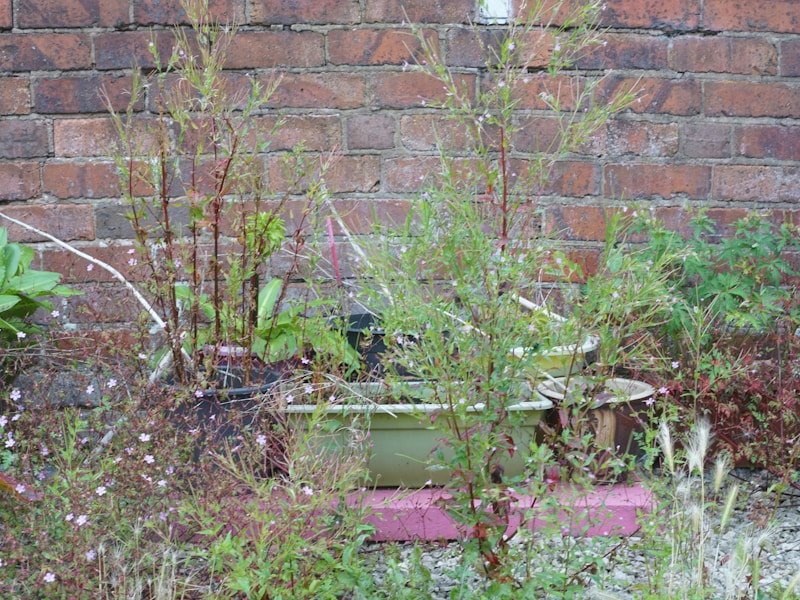
Partial shade means your patio receives between 3 to 6 hours of direct sunlight per day, usually in the morning or late afternoon, with filtered or indirect light the rest of the time. This is different from full shade (less than 3 hours) or full sun (6+ hours). For vegetables, partial shade is a sweet spot for many leafy greens and root crops because they don’t need the intense energy that fruiting plants like tomatoes or peppers require. The key is matching the plant’s natural growth habit to the light you have. If you’re wondering whether your patio qualifies, check the sun patterns over a few days—use a simple sun calculator app or just observe. Most partial shade patios in the US, especially those under trees or facing north, are perfect for the vegetables listed below.
Follow these five steps to maximize your harvest in a low-light patio garden. I’ve used this method for three years and consistently get salads, stir-fries, and even small root crops.
Let me share a real scenario from my own garden. Last spring, I had a 4×6-foot north-facing patio in Portland, Oregon. It gets about 4 hours of morning sun, then bright indirect light. I planted the following in containers: ‘Black Seeded Simpson’ lettuce, ‘Bloomsdale’ spinach, ‘Detroit Dark Red’ beets, ‘Cherry Belle’ radishes, and ‘Flat-leaf’ parsley. I also added a few ‘Sugar Ann’ snap peas on a trellis (they only need 4-5 hours).
Within three weeks, the lettuce and spinach were ready for baby leaf harvest. The radishes matured in 25 days—small but crisp. The beets took longer (about 60 days) but produced 2-inch roots. The peas? They grew slowly but gave a decent handful of pods by mid-summer. The parsley was a workhorse, lasting until frost. I harvested about 4 pounds of greens over two months, plus 2 pounds of roots. Not bad for a shady patio! The key lesson: don’t expect huge yields, but enjoy consistent, fresh produce. I learned that ‘Bloomsdale’ spinach is more shade-tolerant than other varieties—it didn’t bolt even in the cooler light.
Another case: My friend in Chicago has a south-facing balcony but a tall building blocks the sun after 2 PM. She grows ‘Mâche’ (corn salad) and ‘Red Russian’ kale in window boxes. She gets 3-4 hours of direct sun and reports that the kale is actually sweeter than full-sun kale because the leaves grow slower and concentrate sugars. She also grows ‘Bull’s Blood’ beets for the leaves—she harvests the greens and lets the roots grow slowly. Her secret is using reflective surfaces (white walls or foil) to bounce light onto the plants.
[TABLE_SECTION]
[FAQ_SECTION]
Growing the best vegetables for partial shade patio gardens is about working with your space, not against it. You don’t need full sun to enjoy fresh, homegrown produce. Start with a few pots of leafy greens and radishes—they’re the easiest and most rewarding. Experiment with different varieties, keep an eye on moisture, and don’t be afraid to try something new. I’ve had failures (like trying to grow broccoli in too little light), but each season taught me something. Your patio has potential—just give it the right plants. If you have a shady spot, what are you planning to grow? Drop a comment below and share your experience. Happy gardening!
Container Gardening for Small Spaces: Grow a Thriving Garden on Your Balcony, Patio, or Apartment
| Vegetable | Minimum Sun Hours | Days to Maturity | Container Depth | Shade-Tolerant Variety | Yield Expectation |
|---|---|---|---|---|---|
| Lettuce | 3-4 | 30-45 | 6-8 inches | Black Seeded Simpson | Moderate to high |
| Spinach | 3-4 | 35-45 | 6-8 inches | Bloomsdale | Moderate |
| Kale | 4-5 | 50-70 | 8-10 inches | Red Russian | Moderate to high |
| Swiss Chard | 4-5 | 50-60 | 8-10 inches | Bright Lights | Moderate |
| Beets | 4-5 | 55-70 | 10-12 inches | Detroit Dark Red | Low to moderate |
| Carrots | 4-6 | 60-75 | 10-12 inches | Paris Market | Low to moderate |
| Radishes | 3-5 | 20-30 | 6-8 inches | Cherry Belle | Moderate |
| Parsley | 3-5 | 70-90 | 8-10 inches | Flat-leaf Italian | Moderate |
| Cilantro | 3-5 | 50-60 | 6-8 inches | Santo | Moderate |
| Mint | 3-4 | Perennial | 8-10 inches | Spearmint | High |
Apartment Patio Garden Ideas: Transform Your Small Outdoor Space into a Lush Retreat
How to Grow Vegetables on a Balcony: A Practical Guide for Urban Gardeners
Even after you’ve picked the right vegetables, small missteps can reduce your harvest. Here are the most common pitfalls I see on shaded patios:
If you want to maximize a dark corner, look beyond tradition. Asian greens like tatsoi, mizuna, and toy pak choi are cut-and-come-again champions that flourish with just 2-4 hours of direct sun. Even easier: microgreens. You don’t need a sunny patio at all—grown indoors on a windowsill or under a grow light, pea shoots, sunflower shoots, and broccoli microgreens can fill a salad bowl in 10-14 days. A shallow tray, a spray bottle, and a quality seed mix are all you need to seed a continuous indoor ‘crop.’ This year’s trials in my own garden showed that a 2×2-foot patch of mixed Asian greens produced 3 pounds of tender leaves over two months.
| Group | Examples | Minimum Sun | Container Depth | Days to First Harvest | Why It Works in Shade |
|---|---|---|---|---|---|
| Leafy Greens | Lettuce, spinach, kale, Swiss chard | 3 hrs | 6-8 in | 21-30 (baby leaves) | Fastest, cut-and-come-again, low light tolerance |
| Root Vegetables | Beets, radishes, carrots, turnips | 4 hrs | 10-12 in | 25-60 | Roots handle cool, damp soil; radishes especially quick |
| Cool-Season Herbs | Parsley, cilantro, mint, chives | 3 hrs | 8-10 in | 30-60 | Reliable and long-lasting in containers |
| Asian Greens & Microgreens | Tatsoi, mizuna, pak choi, pea shoots | 2 hrs (indirect) | 4-6 in | 10-21 | Excellent for darkest corners; harvest young |
Recent university cooperative extension trials continue to support the use of 3–6 hours of direct sunlight for leafy greens, making partial shade patios productive spaces.