Stop Guessing. Start Harvesting.
Stop Guessing. Start Harvesting.
Why do your potted herbs always wither? From overwatering traps to wrong container sizes, discover the 5 fatal mistakes that ruin apartment gardens—and the instant fixes to save your plants today.
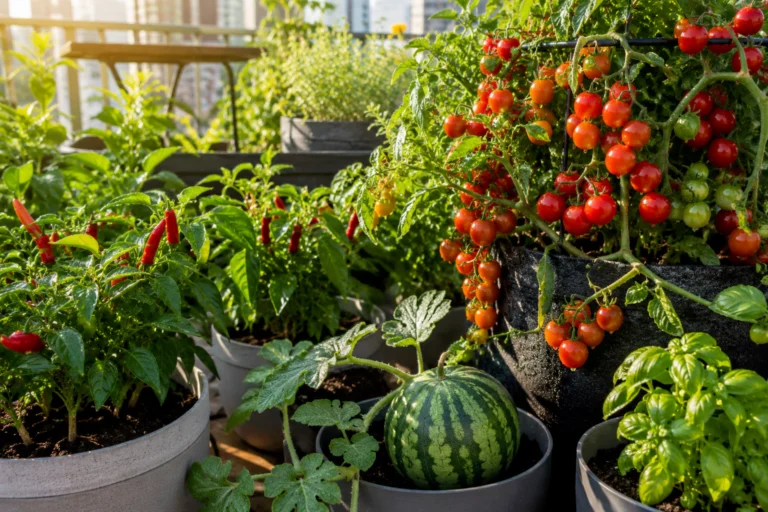
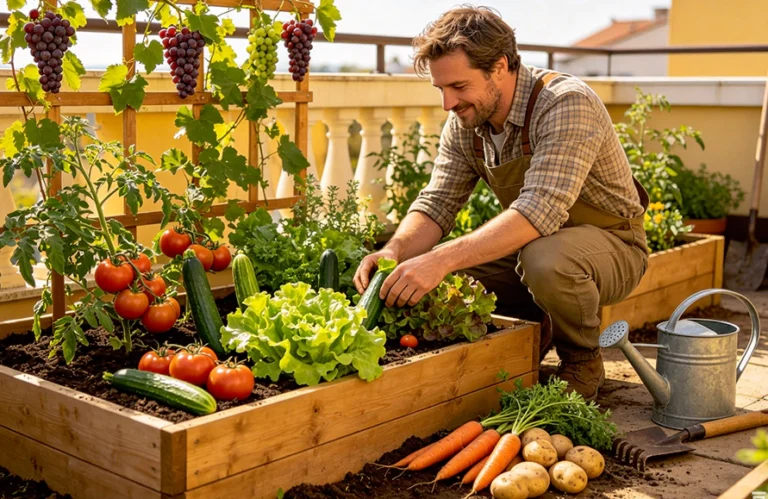
Growing your own fresh, crispy salad greens and aromatic herbs on a small apartment balcony is incredibly rewarding. However, transitioning from a traditional backyard garden to small-space container gardening comes with its own unique set of rules.
Many beginner urban growers jump in with high expectations, only to find their potted herbs withering or their tomato leaves turning yellow within weeks. The truth is, most balcony garden failures aren’t caused by a “black thumb”—they are caused by a few predictable, easily fixable mistakes.
In this comprehensive guide, we will break down the top 5 fatal mistakes new balcony gardeners make, backed by plant science and data, and show you the exact step-by-step fixes to turn your tight space into a high-yield veggie paradise.
Before diving into the details, use this handy troubleshooting checklist to see if your apartment garden is currently at risk:
| The Fatal Mistake | The Immediate Symptom | The Instant Fix |
| 1. Standard Garden Soil | Compacted dirt, yellow leaves, stunted growth | Switch to high-quality potting mix |
| 2. The Overwatering Trap | Root rot, soggy soil, buzzing fungus gnats | Use the “Finger Test”; ensure drainage holes |
| 3. Wrong Container Size | Root-bound plants, rapid wilting, low yield | Match pot size to plant root depth |
| 4. Misjudging Sunlight | Leggy, pale stems; zero fruit production | Track hours of direct sun; choose right crops |
| 5. Ignoring Wind & Microclimate | Dried leaf edges, snapped stems, knocked pots | Install windbreaks; use heavy ceramic/terracotta |
The absolute number one mistake beginners make is scooping up dirt from a yard or buying cheap “topsoil” for their balcony containers. Traditional garden soil is too heavy; it packs down tightly inside a pot, suffocating the roots and trapping water.
It is a natural human instinct to water plants whenever we think about them. However, in container gardening, overwatering is far more lethal than underwatering.
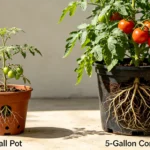
Picking a pot solely based on how cute it looks on Instagram is a recipe for disaster. Small containers hold very little soil, meaning they dry out incredibly fast in the summer heat and restrict root growth.
| Vegetable / Herb Type | Minimum Pot Diameter | Minimum Soil Depth | Best Container Material |
| Salad Greens / Spinach | 6–8 inches | 6 inches | Plastic / Fabric grow bags |
| Potted Herbs (Basil, Mint) | 8–10 inches | 8 inches | Terracotta / Clay |
| Chilis & Bell Peppers | 12 inches (3 Gallon) | 10–12 inches | Fabric grow bags / Ceramic |
| Dwarf Tomatoes | 12–14 inches (5 Gallon) | 12–15 inches | Heavy plastic / Large wooden planters |
Just because your balcony feels “bright” doesn’t mean it has enough direct sunlight for fruit-bearing crops. Beginners often try to grow sun-loving tomatoes on a shaded, North-facing balcony.
Balconies are not the same as ground-level gardens; they are microclimates. Elevated spaces face much higher wind speeds and intense, reflected heat from concrete walls and glass windows.
Avoiding these 5 common pitfalls is the secret key to unlocking a thriving, lush apartment garden. By simply switching to a lightweight potting mix, watering only when the soil asks for it, matching your crops to your actual sunlight hours, and using correctly sized containers, you are setting yourself up for guaranteed success.
You don’t need an acre of land to enjoy the unparalleled taste of homegrown, organic food. With the right techniques, your small windowsill or tight apartment balcony can easily become a high-yield veggie paradise.
A: Yellow leaves are almost always a sign of either overwatering or a nutrient deficiency. First, check the soil moisture. If it’s soggy, let it dry out completely. If the soil moisture is fine, your plant has likely washed out its nutrients due to frequent watering. Start feeding it with an organic, water-soluble vegetable fertilizer once every two weeks.
A: There is no single answer, as it depends on wind, sun, and container material. On hot, windy summer days, small plastic pots or fabric grow bags may need watering once or even twice a day. Always rely on the “Finger Test” rather than a set schedule.
A: Yes, absolutely. Never plant vegetables or herbs in a container without drainage holes. Without holes, excess water puddles at the very bottom of the pot, rotting the roots out of sight and killing the plant from the bottom up.
A: Yes, you can grow leafy greens (lettuce, spinach) and low-light herbs (parsley, chives) on a south-facing windowsill. However, for heavy-fruiting crops like tomatoes or peppers, window glass usually filters out too much light, so you may need to supplement with a compact LED grow light.
Want to bypass the learning curve entirely and get a guaranteed harvest? Enroll in our step-by-step Video Masterclass ($29.9) and let a professional coach guide your garden from seed to table!