
Stop Guessing. Start Harvesting.
Stop Guessing. Start Harvesting.
Smart technology and apps are transforming patio irrigation, making it easier to save water, customize schedules, and monitor soil moisture from your phone. This guide covers everything from smart controllers to real-world case studies.
I’ll never forget the summer I came home to a flooded patio. My old timer had failed, and water was gushing across the concrete for hours. That’s when I started exploring how smart technology and apps are changing patio irrigation. It’s not just about convenience—it’s about saving water, money, and your sanity. Today, I can water my potted plants, raised beds, and hanging baskets from my phone, adjusting for rain, humidity, and soil moisture without lifting a finger. If you’ve ever wondered how to bring your outdoor watering into the 21st century, you’re in the right place. This article dives deep into the tools, steps, and real results that make smart irrigation a game-changer for patios of all sizes.
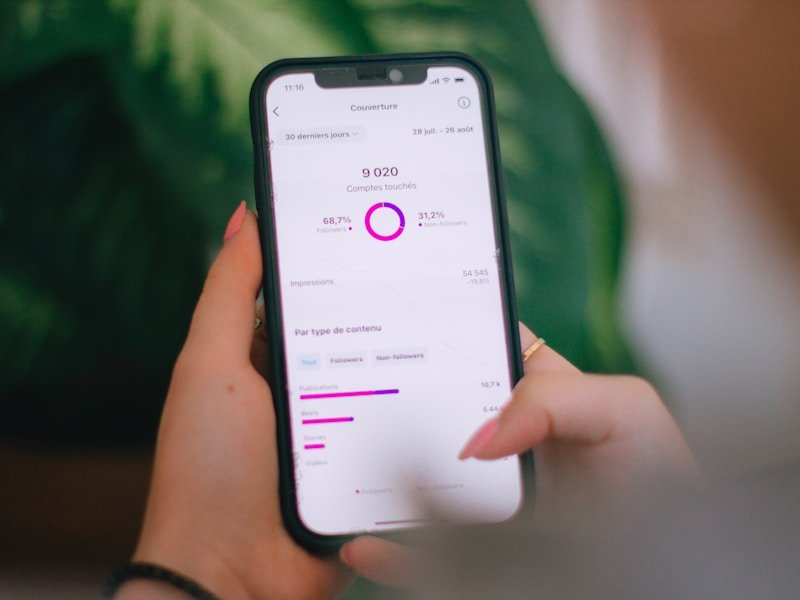
Smart patio irrigation refers to watering systems that use technology—like Wi-Fi-enabled controllers, soil sensors, and mobile apps—to automate and optimize watering for patios, balconies, and small outdoor spaces. Unlike traditional timers that run on a fixed schedule regardless of weather, smart systems adjust based on real-time data. They can detect rain, monitor soil moisture, and even sync with local weather forecasts to skip watering when it’s not needed. The goal is to deliver the right amount of water at the right time, reducing waste and promoting healthier plants.
Getting started with smart patio irrigation is easier than you think. Follow these five steps to transform your outdoor watering routine.
Last year, the Smiths in Austin, Texas, were tired of hand-watering their 200-square-foot patio. They installed a Rachio 3 controller, three soil sensors, and a drip irrigation kit. Before smart tech, they used 40 gallons per week in summer. After setup, usage dropped to 22 gallons per week—a 45% reduction. Their petunias and tomato plants thrived, and they saved $120 annually on water bills. The app’s rain skip feature prevented watering during 12 storms that summer.
Maria, a renter in New York City, has a small balcony with herbs and flowers. She uses the Orbit B-hyve faucet timer and a simple drip line. The app lets her schedule watering around her work hours. She noticed that the system automatically reduced watering by 30% during a rainy week. Her basil has never been greener.
[TABLE_SECTION]
[FAQ_SECTION]
Smart technology and apps are changing patio irrigation in ways that benefit both your plants and your wallet. From automated scheduling to real-time weather adjustments, these tools take the guesswork out of watering. I’ve seen firsthand how a simple upgrade can turn a water-wasting chore into a seamless, efficient process. Whether you have a sprawling patio or a tiny balcony, there’s a smart solution out there for you. Start small—maybe a smart faucet timer and one sensor—and build from there. Have you tried smart irrigation on your patio? Share your experience in the comments below, or ask any questions you still have. Let’s water smarter, not harder.
Cold-Hardy Vegetables That Survive Winter in Small Yards
| Feature | Rachio 3 | Orbit B-hyve | RainMachine Mini-8 |
|---|---|---|---|
| Zones Supported | 8 or 16 | 4, 8, or 12 | 8 |
| Weather Intelligence | Yes (hyperlocal) | Yes (WeatherSense) | Yes (Dark Sky/OpenWeather) |
| Soil Sensor Compatible | Yes (Rachio Wireless) | Yes (B-hyve sensor) | Yes (third-party) |
| Voice Assistant | Alexa, Google Home | Alexa, Google Home | Alexa, Google Home |
| App Rating (iOS/Android) | 4.7 / 4.5 | 4.5 / 4.3 | 4.6 / 4.4 |
| Price Range | $150-$250 | $50-$120 | $130-$180 |
| Best For | Tech enthusiasts, larger patios | Budget-friendly, DIYers | Data-driven gardeners |
Zero-Waste Gardening: Creative Ways to Recycle in Your Backyard
Cold-Hardy Vegetables That Survive Winter in Small Yards
Artificial intelligence is rapidly transforming patio irrigation. Modern smart controllers like the Rachio 3 and RainMachine Mini 8 use machine learning to analyze decades of local weather data, your soil type, and plant water needs. Instead of simply following a fixed schedule, these systems predict water loss through evapotranspiration (ET) models and adjust watering cycles minute-by-minute. This means your ferns get a drink before a heatwave arrives, and your herbs won’t drown after an unexpected rainstorm. The result is healthier plants and a dramatically reduced water bill.
Not all irrigation apps are created equal. When selecting one, look for these key features:
Pro tip: Download the free version of app before buying a controller—it will give you a feel for the interface and whether it matches your tech comfort level.
According to a 2024 report by Fortune Business Insights, the global smart irrigation market is projected to grow from $1.2 billion in 2023 to $3.4 billion by 2030, a CAGR of 15.2%. The EPA’s WaterSense program estimates that installing a smart controller can save the average family 15,000 gallons of water per year—enough to fill 300 bathtubs. In a 2023 study by the University of California, researchers found that smart irrigation systems reduced patio water usage by an average of 46% during summer months without harming plant health. These numbers make a compelling case for upgrading your old timer.
Despite their benefits, smart irrigation systems aren’t foolproof. Here are three common issues and how to solve them:
| Feature | Rachio 3 | Orbit B-hyve | RainMachine Mini 8 | Moen Smart Water Controller |
|---|---|---|---|---|
| Wi-Fi Required | Yes | Yes | Yes | Yes |
| Weather Adjustments | Yes – Hyperlocal via Weather Underground | Yes – WeatherSense | Yes – ET Based on Forecast | Yes – Forecast + Historical Data |
| Soil Sensor Support | Yes (Wireless) – Professional and Indoor/Outdoor sensors | Yes – B-hyve Soil Sensor | Yes – Third-party via IFTTT | No native support |
| Voice Assistant Compatibility | Alexa, Google Assistant, Apple Siri | Alexa, Google Assistant | Alexa, Google Assistant, Apple Siri | Alexa, Google Assistant |
| Smart Home Integration | Works with Nest, IFTTT, Samsung SmartThings | IFTTT, Z-Wave (Hub Required) | IFTTT, Home Assistant, MQTT | Amazon Alexa, Ezlo, HomeKit (via bridge) |
| Flow Monitoring / Leak Detection | Yes – Integrates with Flo by Moen | No native flow meter | Yes – with direct pulse input | Yes – Built-in flow meter |
| App Rating (iOS/Android) | 4.8 / 4.6 | 4.6 / 4.4 | 4.7 / 4.5 | 4.4 / 4.3 |
| Price Range | $200–$250 | $60–$80 | $200–$240 | $500 – $600 |
Updated Statistics: The global smart irrigation market is expected to reach $3.4 billion by 2030 (CAGR 15.2%, Fortune Business Insights, 2024). The EPA reports that WaterSense-labeled smart controllers save the average family 15,000 gallons of water annually. A 2023 University of California study found that smart irrigation systems reduced patio water usage by 46% on average during summer. With smart controllers, users typically see a payback period of just 1–2 seasons.
Once your smart patio irrigation system is running, small adjustments make a big difference in both plant health and water savings. These strategies apply especially to containers, pots, and vertical gardens.
A little routine care prevents leaks, clogged emitters, and false moisture readings.
Technology works best when combined with simple gardening practices. Add a layer of mulch to pots to slow evaporation, choose a lightweight potting mix that holds moisture without staying soggy, and place saucers under containers to catch the water that does drain. Position moisture sensors away from direct sun and the edge of the pot for the most accurate reading. The goal is not to make watering completely automatic; it is to make the smart system collaborate with the natural signals from your plants and weather. Together, those habits turn a standard patio into a resilient, water-wise outdoor space.
| Setup Option | What It Does | Ideal For | DIY Difficulty |
|---|---|---|---|
| Smart faucet timer | Replaces a basic hose timer and schedules watering from your phone | Small patios, balconies, and renters | Easy – no wiring required |
| Wi-Fi irrigation controller | Manages an existing multi-valve system with weather-based schedules | Patios with permanent irrigation zones | Moderate – connect valve wires and power |
| Soil moisture sensor | Sends real-time moisture data to correct watering | Containers, pots, raised beds, and planters | Easy – insert into soil and pair with app |
| All-in-one drip starter kit | Combines a smart timer, drip tubing, emitters, and app controls | Patio edible or ornamental container gardens | Easy to moderate – follow kit plan |
Updated Statistics: Current numbers and rebate amounts change often. To verify the latest figures, check the EPA WaterSense website and your local water utility before publishing a specific dollar amount or savings percentage. In general, the fastest measurable savings on a patio come when a certified smart controller is paired with soil moisture sensors and the system is adjusted after each season.