Stop Guessing. Start Harvesting.
Stop Guessing. Start Harvesting.
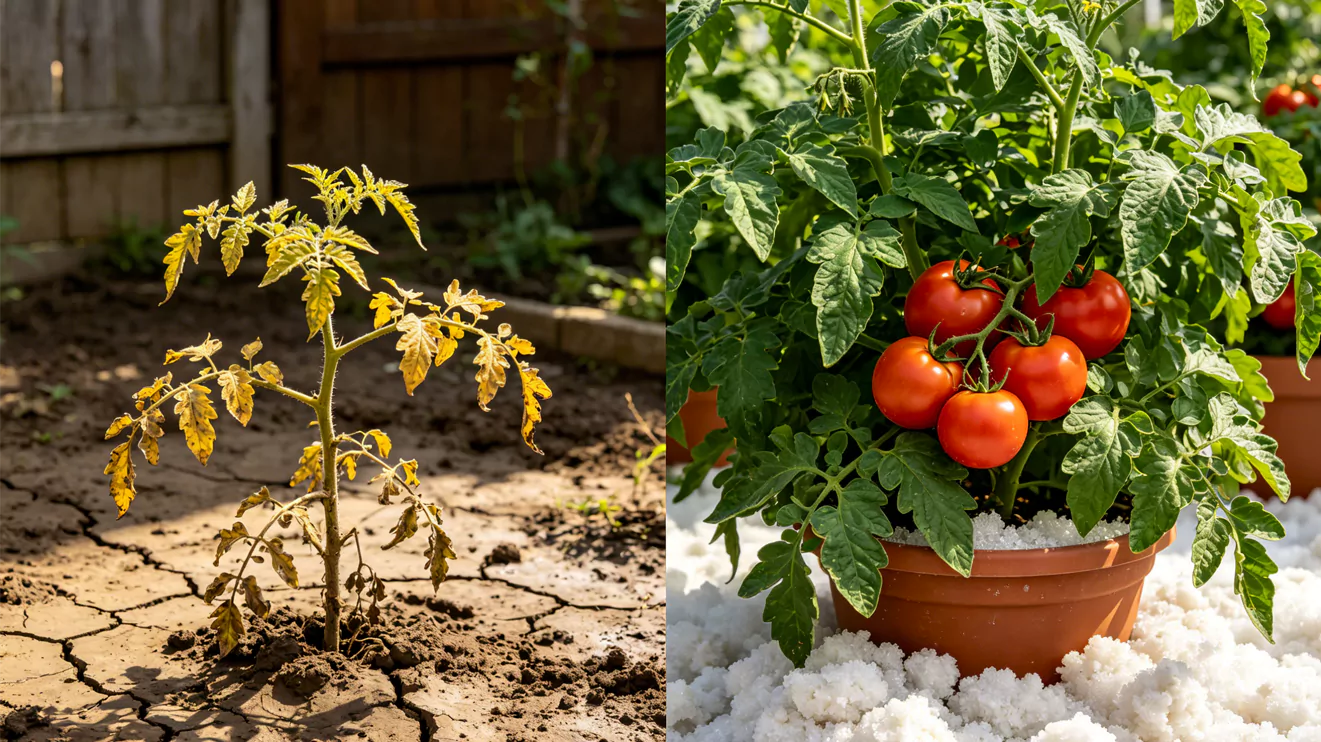
Do you want to harvest baskets of fresh, crisp patio vegetables but feel confused by the massive walls of dirt bags at your local garden center?
Many beginner growers assume that soil is just soil, and go on to shovel cheap, dense dirt from their backyard or neighborhood park directly into their pots. Unfortunately, using the wrong soil medium is the fastest way to kill potted plants. Because container vegetables live in a confined environment with zero access to underground earthworms or natural water tables, their soil mix must be highly engineered to perform specific mechanical tasks.
This guide will show you how to choose and mix the absolute best soil for container vegetables to ensure explosive root growth and heavy yields.
The best soil for container vegetables is a lightweight, sterile, soil-less potting mix—never garden soil or topsoil. A premium container medium must consist of a balanced blend of peat moss or coco coir for moisture retention, perlite or vermiculite for structural aeration, and organic compost or worm castings to deliver a continuous supply of vital nutrients.
Ground soil works perfectly in an open field because nature manages its structure through subterranean drainage and biological activity. When that same dirt is isolated inside a solid pot, its ecosystem collapses.
The five structural reasons regular yard dirt underperforms in containers include:
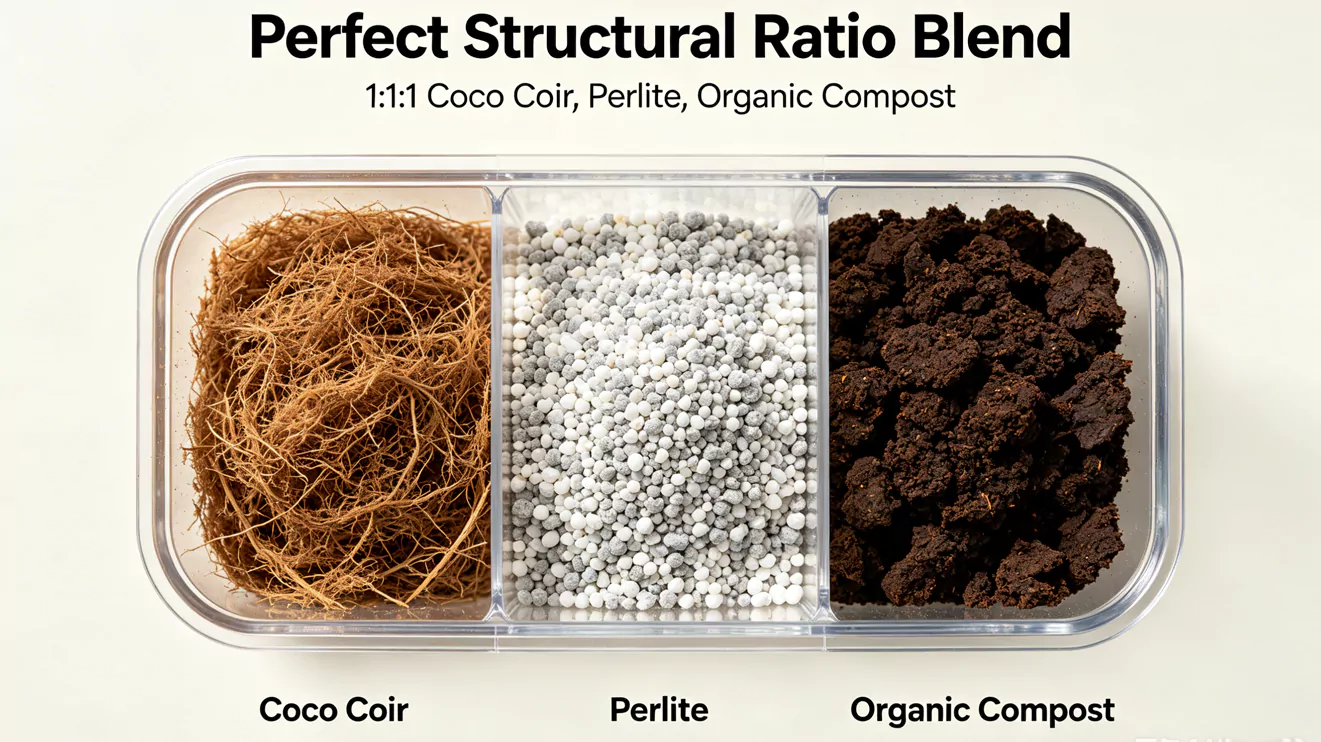
If you want to blend your own ultra-productive, high-yield soil medium at home, use this standard professional ratio framework:
Use high-quality sphagnum peat moss or organic coco coir. This lightweight fibrous material acts like a sponge, absorbing up to twenty times its weight in water and slowly releasing it to your vegetables as the container environment dries out.
Mix in coarse perlite (the distinct white, volcanic glass kernels found in premium commercial blends). Perlite creates permanent, micro-porous air gaps through the container profile. These gaps ensure that even right after a heavy rain, oxygen can access the roots to prevent root rot.
Finish the mixture with organic, well-aged compost or premium worm castings. This component populates your container ecosystem with active microbial life and vital trace minerals, fueling continuous vegetable growth throughout the season.
To maximize your layout output using principles from our How To Start A Balcony Vegetable Garden guide, match your soil density parameters to your specific crop profiles:
| Vegetable Group | Soil Structural Preference | Best Feeding Strategy |
| Fruiting Crops (Tomatoes, Peppers) | Rich, slightly heavy mix. Requires excellent moisture retention. | Add extra compost and calcium-rich bone meal at planting time. |
| Root Vegetables (Radishes, Carrots) | Ultra-light, loose, sandy mix. Zero clumping or dense obstacles. | Increase the perlite ratio to 40% to ensure smooth root expansion. |
| Leafy Greens & Herbs (Lettuce, Basil) | Fluffy, fast-draining medium. Rich in surface organic matter. | Supplement with light, nitrogen-rich organic liquid fertilizers. |
Protect your intensive home farm by avoiding these common medium configuration traps:
Maya, a logistics coordinator living in a downtown loft with a sunny stone courtyard, wanted to grow fresh food using standard 5-gallon plastic utility buckets.
No. Bags labeled “Garden Soil” or “Topsoil” are mixed specifically to be blended into large ground beds to improve outdoor lawn quality. They contain heavy, dense materials that will compact tightly inside the walls of a plastic pot or fabric grow bag, suffocating your vegetables’ root zones. Always look for bags explicitly labeled “Potting Mix” or “Container Mix.”
When peat-based potting soil dries out completely, it becomes hydrophobic, causing water to run straight down the inner sides of the pot and out the bottom drainage holes without soaking in. To fix this, poke a few holes down into the soil with a stick, then water the container slowly in minor stages, or submerge the bottom of the pot in a tub of water for 20 minutes to rehydrate the mix.
If your previous crops were perfectly healthy and free of pests, you do not need to sterilize the soil. However, you must revitalize its structure. Empty the old medium into a wheelbarrow, mix in 30% fresh organic compost or worm castings to restock nutrients, and add a handful of fresh perlite to rebuild aeration pathways before replanting.
A thin layer of white mold on the surface of your potting soil is typically a harmless, natural saprophytic fungus breaking down the organic matter inside the compost. While it won’t hurt your vegetables, it is a key visual indicator that your container environment is staying too damp or experiencing poor air circulation, a setup balance discussed in our Best Vegetables For Small Balconies selection blueprint.
Fabric bags utilize the same premium potting mix ingredients as standard pots, but they benefit immensely from an extra dose of organic moisture retention. Because fabric grow bags breathe from all sides, they dry out faster. Adding a slightly higher percentage of coco coir or mixing a thin layer of organic mulch across the top surface helps retain moisture during peak summer months.
Stop guessing what is inside your pots. Download our free container soil blueprint and learn how to formulate high-performance growing mediums at home.
Download our free resource today and receive:
[ Info@Yardveggie.com ]
👉 [ DOWNLOAD YOUR FREE SOIL SUCCESS KIT NOW ]
If you want to skip the frustrating trial-and-error cycle and discover the exact visual systems used to manage soil nutrients, watering layouts, and spacing parameters in tight urban footprints, take a look at our structured video series. Our comprehensive Balcony Harvest Masterclass offers an interactive, step-by-step roadmap built specifically for small-footprint living.
Bypass the guesswork with high-definition, practical tutorials covering:
[ Learn More About The Masterclass → ]