Stop Guessing. Start Harvesting.
Stop Guessing. Start Harvesting.
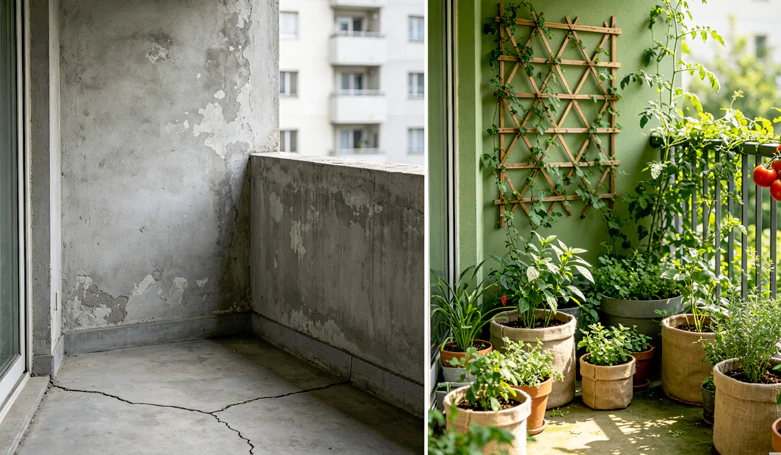
Do you want to step out of your apartment door and harvest fresh, crisp greens or sweet patio tomatoes, but assume your concrete balcony is too small or restricted to support a real vegetable farm?
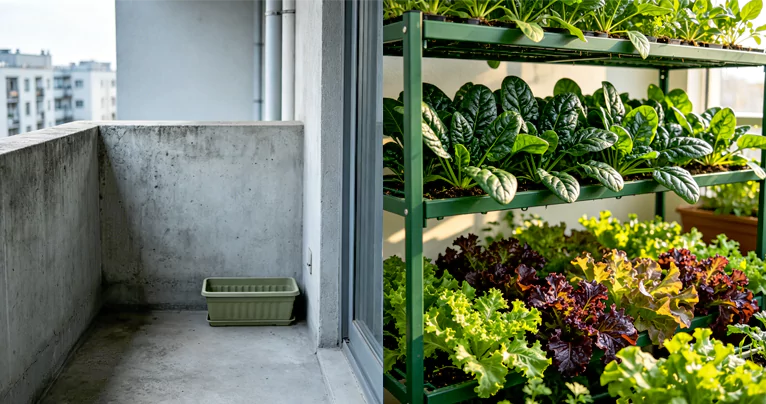
Balcony gardening is one of the fastest-growing urban food movements in the world. Because balconies are elevated above ground level, they are naturally insulated from destructive subterranean garden pests like moles, rabbits, and root-eating nematodes. By pairing lightweight, breathable containers with strategic vertical framing layouts, you can easily transform a few square feet of structural concrete into an incredibly productive, beautiful edible sanctuary.
This comprehensive operational guide will show you how to design, build, and maintain a high-yield balcony vegetable garden from scratch.
To build a highly successful balcony vegetable garden, utilize breathable 3-to-5-gallon fabric grow bags arranged on a multi-tier vertical ladder stand to maximize solar tracking. Fill your containers with a lightweight, soil-less potting mix (never yard dirt) and prioritize fast-producing, compact bush varieties like Shishito peppers, Early Jalapeños, Bush Champion cucumbers, and dwarf cherry tomatoes.
Growing food on an elevated structural balcony requires a completely different approach than traditional backyard raised-bed cultivation.
Before purchasing seeds, you must account for these five specific environmental layout boundaries:
To get the highest possible food volume out of a tight urban layout, focus your balcony garden on compact, highly productive crop categories.
Fruiting plants love the heat of a sunny balcony, provided they are given adequate root space:
If your balcony receives less than six hours of direct sunlight, leafy greens are your best option:
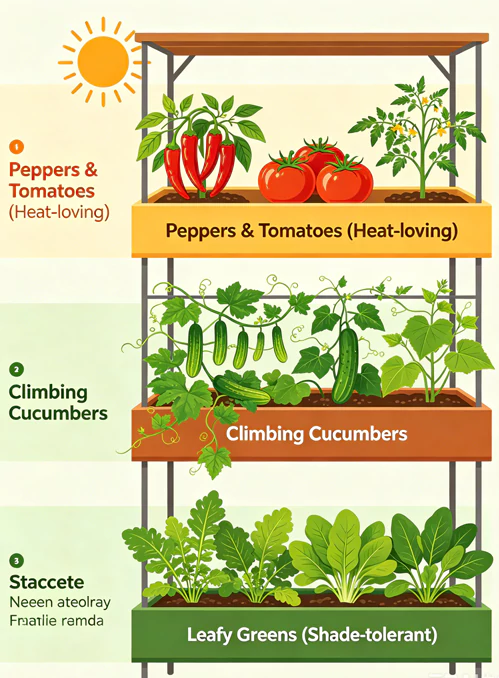
To help plan your space effectively using our Advanced Geometric Spacing Layouts and Tier Design strategies, select your container placements based on this light and size chart:
| Crop Category | Ideal Variety | Minimum Pot Size | Sunlight Requirement | Tier Placement |
| Fruiting Vine | Dwarf Cherry Tomato | 5-Gallon Bag | 6–8+ Hours (Full Sun) | Top Shelf (Max Sun Tracking) |
| Climbing Bush | Bush Champion Cucumber | 5-Gallon Bag | 6+ Hours (Full Sun) | Middle Shelf (Trellised) |
| Compact Pods | Shishito Pepper | 3-Gallon Pot | 6+ Hours (Full Sun) | Top/Middle Shelf |
| Leafy Greens | Loose-Leaf Lettuce | Window Box Trough | 4–5 Hours (Partial Shade) | Bottom Shelf (Lower Tier) |
| Aromatic Herbs | Sweet Basil / Rosemary | 1-Gallon Pot | 5–6 Hours (Full Sun) | Railing Troughs / Side Ledges |
Follow this systematic checklist to construct a safe, high-yielding container homestead.
Before buying containers, monitor your balcony for a full day to count exactly how many hours of direct sunlight it receives.
Floor space is premium real estate on an urban patio. Instead of cluttering the floor with wide pots, invest in a multi-tier vertical ladder stand or an A-frame shelving unit. This vertical engineering strategy lifts your crops into the sunlight zone, ensures exceptional airflow, and lets you grow up to nine distinct plants in the footprint of one.
To eliminate structural weight worries, completely bypass heavy clay, stone, or ceramic planters. Use premium fabric grow bags. A 5-gallon fabric bag weighs virtually nothing when empty and prevents plants from becoming root-bound by air-pruning the roots, a technique thoroughly outlined in our Best Containers For Growing Cucumbers setup guide.
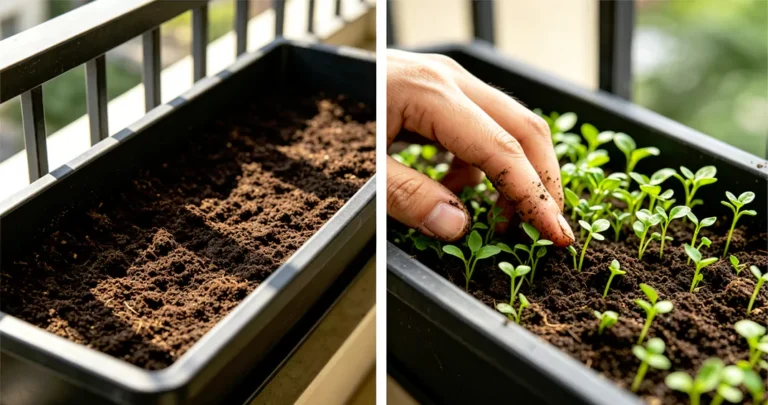
Never scoop dirt from a local park or yard into balcony containers. It will pack down like solid concrete, suffocating your roots. Fill your grow bags with a professional, lightweight blend of peat moss, coco coir, perlite, and organic compost, as detailed in our Best Soil For Container Vegetables reference masterlist.
Because elevated balconies face intense winds, tall crops can easily topple over. Anchor your vertical tiers directly to the balcony railing using heavy-duty zip ties or bungee cords. Insert bamboo stakes deep into your tomato and pepper pots at planting time to secure fragile fruiting branches.
Protect your urban crop investment by steering clear of these common operational traps:
Elena, a software developer living on the 7th floor of a downtown apartment building, wanted to reduce her grocery bills but only had a 5×10 concrete balcony.
Most modern residential apartment balconies are engineered to safely support structural loads of 30 to 40 pounds per square foot. However, you should always avoid heavy stone, concrete, or glazed ceramic pots. By utilizing fabric grow bags, plastic utility buckets, and loose, soil-less potting mixes, you can keep your garden extremely lightweight and perfectly safe.
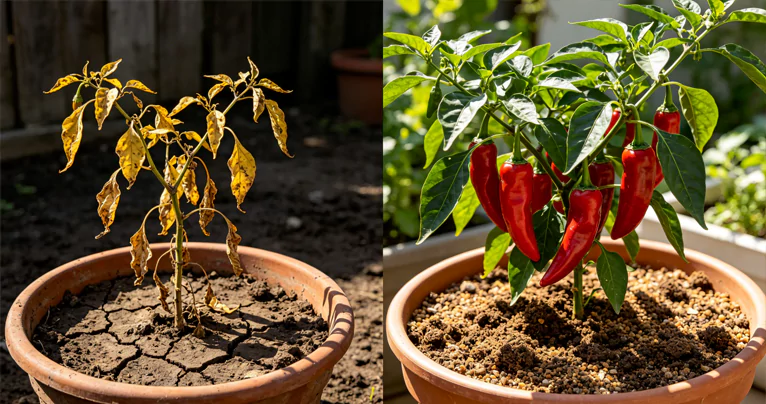
Windy, elevated balcony gardens dry out up to twice as fast as ground-level backyard beds. During the peak summer heat waves, fabric grow bags may require watering once or even twice a day. Always check the soil moisture manually by inserting your index finger two inches deep; if it feels dry, apply water slowly until it begins to trickle into your drainage saucer.
This symptom is typically caused by “wind burn” or thermal reflection shock. Intense wind currents combined with heat radiating off concrete balcony walls can cause a plant to lose moisture through its leaves faster than its roots can drink. Move sensitive or fragile crops closer to the building wall for structural wind protection, or install a lightweight mesh privacy screen across your railing to diffuse intense gusts.
Yes, absolutely! Root vegetables perform beautifully on balconies because the loose, stones-free structure of premium potting mixes allows them to expand smoothly. Choose short, round carrot varieties like Paris Market for shallow window boxes, or utilize deep 10-gallon fabric grow bags to cultivate abundant crops of mid-season potatoes.
Perennial crops like strawberries, rosemary, and peppers can be successfully over-wintered on a balcony with proper protection. Wrap the containers in layers of burlap or bubble wrap to insulate the root zones against freezing air currents, move them flat against the warm building wall, and mulch the top soil surface heavily with straw until spring arrives.
Stop guessing and start harvesting baskets of fresh food. Download our free balcony garden design blueprint and engineer your small-space urban homestead like a seasoned expert.
Download our free resource today and receive:
[ Info@Yardveggie.com ]
👉 [ DOWNLOAD YOUR FREE BALCONY GARDEN KIT NOW ]
If you want to skip the frustrating trial-and-error cycle and discover the exact visual engineering systems used to build a beautiful, high-yielding container homestead, take a look at our structured video series. Our comprehensive Balcony Harvest Masterclass offers an interactive, step-by-step roadmap built specifically for small-footprint urban living.
Bypass the guesswork with high-definition, practical tutorials covering: