Stop Guessing. Start Harvesting.
Stop Guessing. Start Harvesting.
Living in an apartment doesn't mean you have to give up on gardening. These apartment patio garden ideas will help you maximize every square inch with vertical planters, container arrangements, and smart design tricks that actually work in real life.
I remember the day I moved into my first apartment with a tiny concrete patio. It was maybe 4 feet by 6 feet, and honestly, it looked more like a fire escape than a garden. But I was determined to make it green. After years of trial and error—killing more plants than I’d like to admit—I’ve learned what actually works for small apartment patios. Whether you’re renting a studio downtown or have a balcony overlooking the city, these apartment patio garden ideas will help you create a space that feels like your own private sanctuary.
Let’s be real: apartment gardening comes with challenges. Limited floor space, weird sunlight patterns, wind, and sometimes strict landlord rules. But the payoff is huge. A well-planned patio garden can lower your stress, give you fresh herbs for cooking, and even increase your property’s value if you own. In this guide, I’ll share the exact strategies I’ve used and seen work for dozens of apartment dwellers. No fluff, just practical steps.
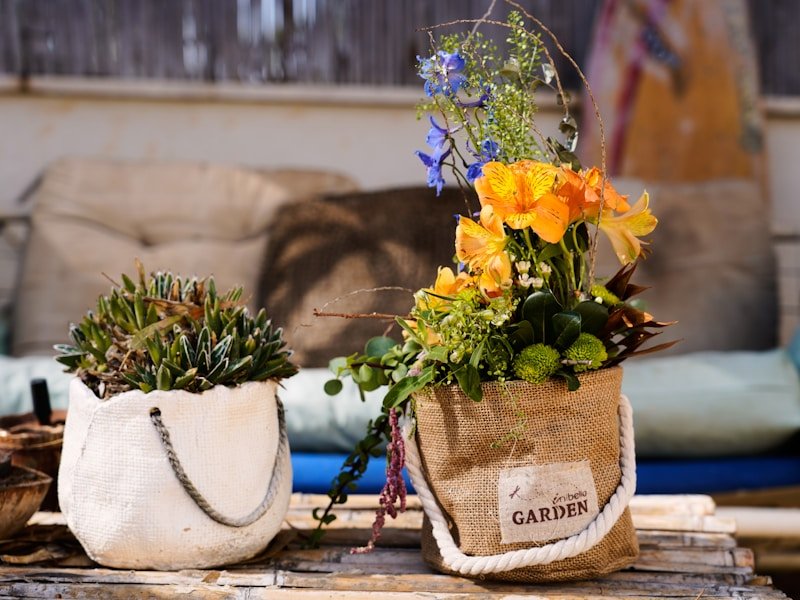
An apartment patio garden is a curated collection of plants, containers, and design elements arranged on a small outdoor space like a balcony, terrace, or tiny patio attached to an apartment. Unlike a full backyard garden, it relies heavily on containers, vertical structures, and space-saving techniques. The goal is to create a functional, beautiful green area that fits your lifestyle—whether that’s growing tomatoes, relaxing with a book, or hosting a small dinner for two.
Think of it as your outdoor room. You’re not just sticking a few pots out there; you’re designing a space that works with your apartment’s architecture, climate, and daily habits. The best apartment patio gardens feel intentional, not cluttered. And they don’t require a green thumb—just a bit of planning and the right plants.
After helping friends and neighbors set up their own patios, I’ve boiled down the process into five clear steps. Follow these in order, and you’ll avoid the common mistakes that lead to dead plants and wasted money.
Let me walk you through a few scenarios I’ve seen play out with friends and clients. These aren’t hypotheticals—they’re real people with real apartments.
My friend Lisa lives in a 5th-floor apartment with a north-facing balcony that gets maybe 2 hours of weak morning light. She wanted a lush garden but killed three ferns in a row. I suggested she switch to shade-tolerant plants like cast iron plants, peace lilies, and trailing pothos in hanging baskets. She also added a small water feature for humidity. Within a month, her patio was a green retreat. She now grows mint and parsley in a self-watering planter—both thrive in low light. Her total cost was about $180 for plants and containers.
My neighbor Mark has a 3×5-foot concrete patio that bakes in full sun from 11 a.m. to 6 p.m. He wanted to grow his own salsa ingredients. We set up three large ceramic pots (with saucers to protect the floor) for tomatoes, jalapeños, and cilantro. He added a trellis for climbing cucumbers. He waters every morning and uses a slow-release fertilizer. By August, he was harvesting 2-3 pounds of tomatoes per week. The key was choosing heat-tolerant varieties and using light-colored pots to reflect heat.
My cousin Rachel lives on the 20th floor. Wind was killing her plants and knocking over pots. We switched to heavy, wide-based containers and used windbreak fabric on the railing. She chose sturdy plants like sedum, ornamental grasses, and dwarf conifers. She also installed a railing planter box for trailing verbena. Now her balcony is a wind-resistant oasis that survives Chicago winters with minimal care. Total investment: $250.
These examples show that no matter your constraints, there’s a solution. The key is matching your plant choices and setup to your specific conditions.
[TABLE_SECTION]
[FAQ_SECTION]
Creating an apartment patio garden doesn’t have to be overwhelming. Start with one or two plants that match your light conditions, add a comfortable chair, and build from there. I’ve seen people transform the saddest concrete slabs into vibrant spaces that bring them joy every single day.
Remember: every plant you kill is a learning experience. Be patient with yourself and your garden. The best time to start was yesterday—the next best time is today. So grab a pot, some soil, and a plant that speaks to you. Your patio is waiting.
I’d love to hear about your own apartment patio garden ideas or struggles. Drop a comment below—what’s your biggest challenge? Is it sunlight, space, or keeping plants alive? Let’s figure it out together.
How to Grow Vegetables on a Balcony: A Practical Guide for Urban Gardeners
| Condition | Plant Type | Examples | Water Needs | Notes |
|---|---|---|---|---|
| Full sun (6+ hours) | Vegetables & herbs | Tomatoes, peppers, basil, rosemary | High – water daily in summer | Use large pots with drainage |
| Partial shade (3-6 hours) | Flowers & foliage | Ferns, impatiens, coleus, mint | Moderate – water when top inch is dry | Great for north or east-facing patios |
| Full shade (less than 3 hours) | Low-light lovers | Snake plant, pothos, peace lily, cast iron plant | Low – water every 1-2 weeks | Avoid overwatering; these plants are forgiving |
| Windy balcony | Sturdy & compact | Sedum, ornamental grasses, dwarf conifers | Moderate – check soil more often | Use heavy pots and windbreaks |
| Small space (under 50 sq ft) | Vertical & trailing | String of pearls, ivy, hanging ferns | Varies by plant | Maximize vertical with trellises and wall pockets |
Small Courtyard Vegetable Patch: A Complete Guide to Growing Your Own Food in Tiny Spaces
Apartment Patio Garden Ideas: Transform Your Small Space into a Lush Retreat
You don’t need to spend a fortune on fancy planters. Some of the best apartment patio gardens use repurposed items and simple DIY projects. Here are a few cost-effective ideas:
Always check with your landlord before drilling or fixing anything to the building structure. Also, keep weight limits in mind—use lightweight soil mix and avoid overloading your balcony.
To keep your patio garden thriving year-round, it helps to adjust your care routine with the changing seasons. Here’s a simple checklist:
Adjust these guidelines to your local climate and the specific needs of your plants. A little seasonal attention goes a long way.
| Material | Weight | Durability | Cost | Best For | Key Considerations |
|---|---|---|---|---|---|
| Plastic/Resin | Lightweight | Good – lasts 5–10+ years with UV protection | $ – $$ | Hold moisture well; easy to move | May crack in extreme cold; check for UV-resistant grades. |
| Ceramic/Clay | Heavy | Moderate – can chip or crack | $$$ – $$$$ | Aesthetic appeal; stable in wind | Porous clay dries out quickly; glazed ceramic retains moisture better; ensure drainage holes. |
| Fabric Grow Bags | Very light | Fair – 2–5 years | $ | Great for vegetables; easy storage | Dries out quickly; may need daily watering; place on a tray to protect floors. |
| Wood | Medium | Moderate – can rot if not lined | $$ | Natural look; good for large planters | Line with plastic or use cedar/redwood for longevity; may be heavy when full. |
| Metal | Medium to heavy | Good – but may rust | $$ – $$$ | Sleek, modern look; durable | Avoid galvanized metal with acidic soil; add a liner to prevent corrosion and insulate roots. |
As of this update, container gardening continues to grow in popularity among urban residents, with innovations like sub-irrigated planters and modular vertical systems making small-space gardening more accessible than ever.